A Cure in the Trees
- adsgrnt. rehwbfbw ef wergbfd fd sdsvsd f f f t t r r rrr rn. tnrt trwwfeqv f f fefgr
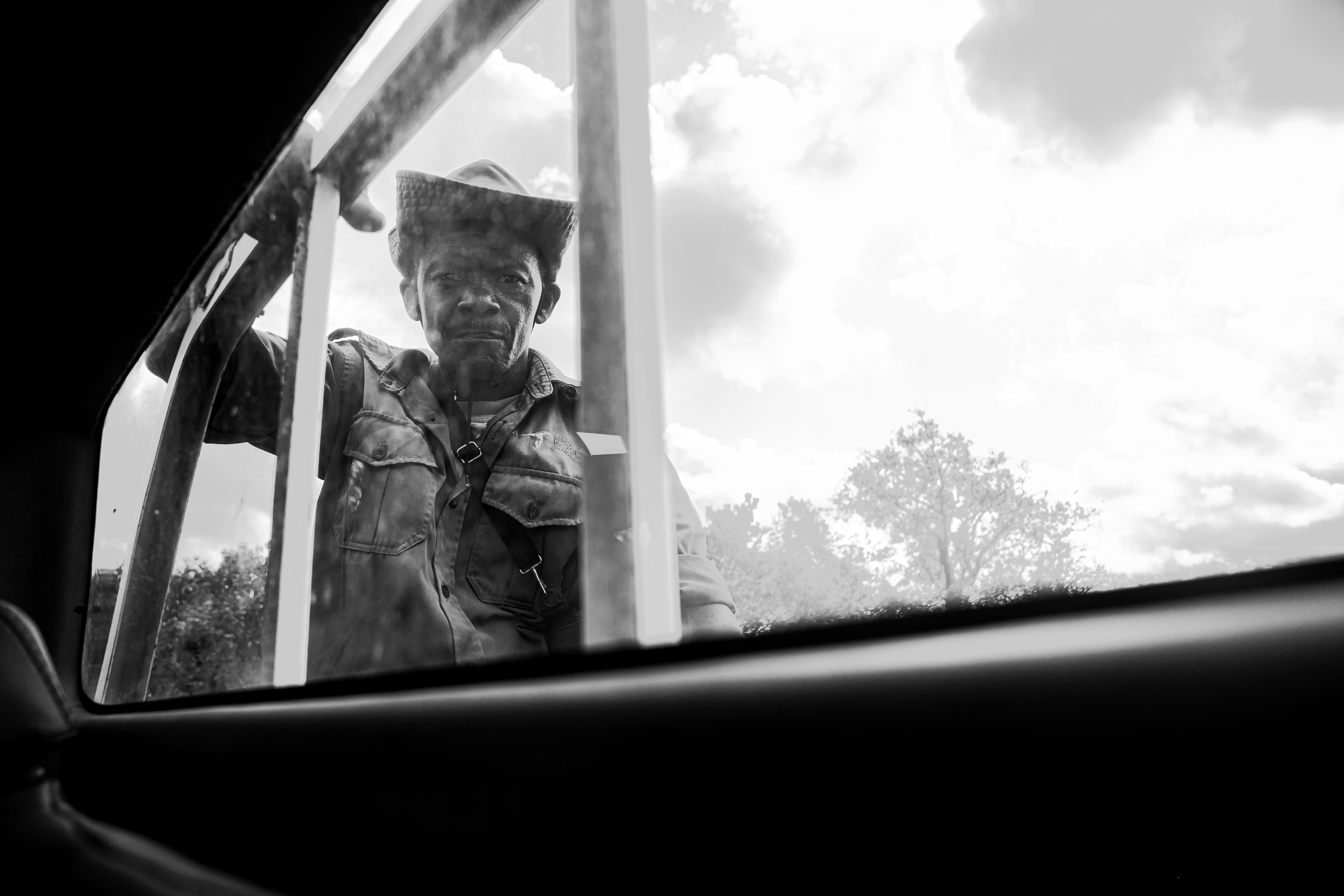
[NAME (replace name with actual name)] pointed to a cut on his finger.
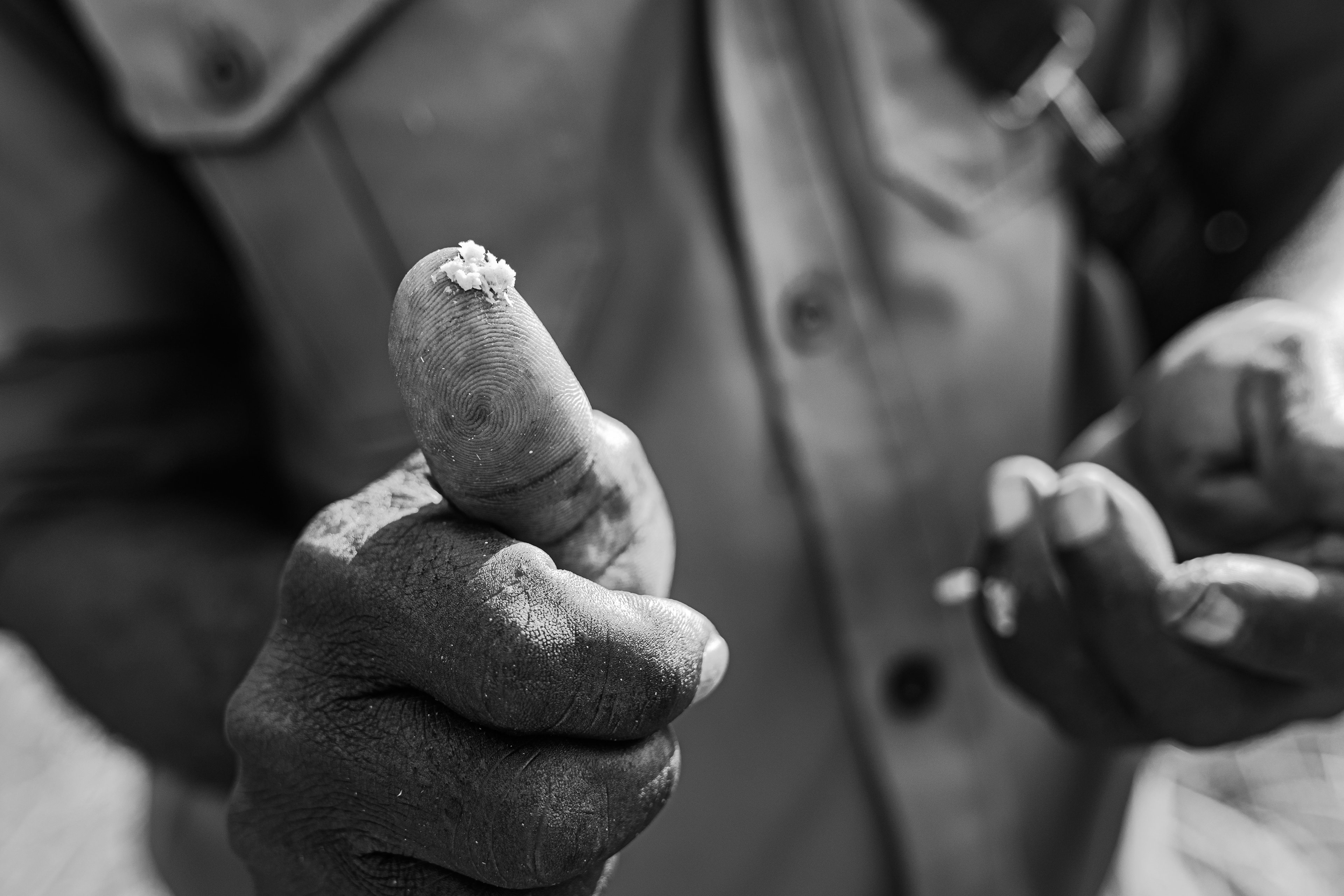
A few days earlier, he explained, he had treated it using a paste made from a nearby tree. Breaking off a small piece of wood, he demonstrated how he chewed it into a pulp before applying it directly to the wound. Because of that, the cut had healed quickly.
For the past ten days, Carol has been walking through Dakatcha Woodland alongside [NAME], documenting medicinal plants and collecting specimens for preservation and research back at Mwamba. Inspired by her grandfather's interest in traditional plant knowledge, she has been working to record how local communities use the woodland's natural resources before that knowledge disappears.
As we walked, it quickly became clear that the cut on [NAME]'s finger was only one small example of a much larger story. Every few minutes he would stop beside a tree, shrub or vine and explain its use. Some plants were used to relieve headaches. Others treated stomach complaints or pain. Certain remedies were considered suitable for children and older people, while others were used only by adults.
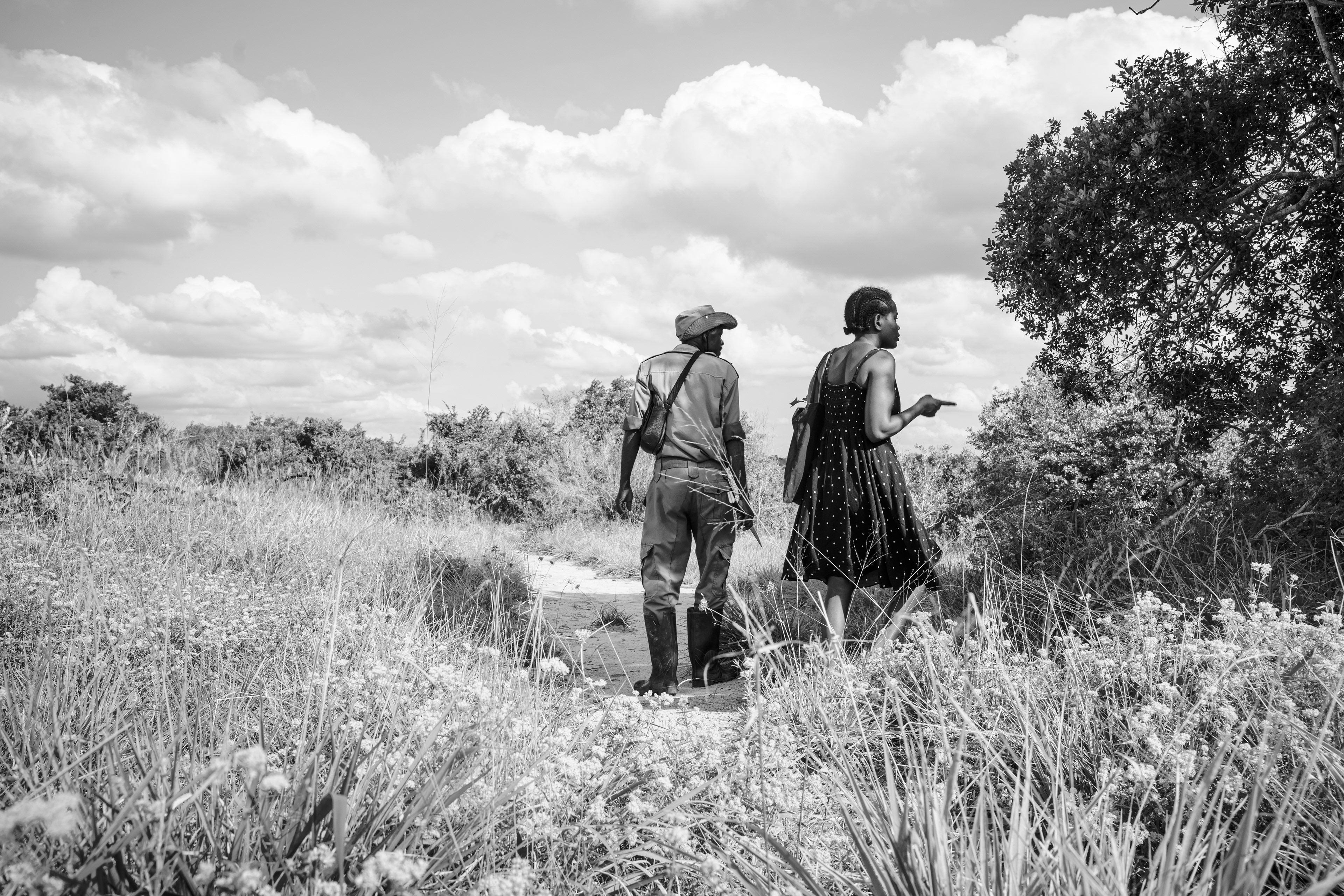
To me, much of the woodland looked the same. Trees blended into shrubs, shrubs into tangled vegetation and narrow paths disappeared into the undergrowth. Yet [NAME] seemed to see something entirely different. Every few metres there was another plant to identify, another use to explain and another lesson hidden within the landscape.
Although we shared few words, much of the afternoon was spent following his gestures. A pointed finger towards a leaf, a piece of bark or a fruit hanging beside the path was often enough to begin another explanation.
Carol collected samples as we moved through the woodland, picking leaves and recording information about the species we encountered. The process was slow but deliberate. Knowledge that had once been passed between generations through conversation and experience was now being carefully documented.
Along the way we stopped occasionally to eat wild fruits growing beside the track. Some required brushing away ants before they could be picked. Others could simply be gathered and eaten as we walked. At times it felt as though the woodland was determined to feed us. Like the medicinal plants, the fruits were a reminder that Dakatcha provides far more than habitat for wildlife.