Between the Harvests
- An account from djjddjs on how farming has been affected by lack of environmental education
In Dakatcha, where families plant their crops in rhythm with the rains, a successful harvest can mean the difference between food on the table and an incredibly uncertain season ahead.
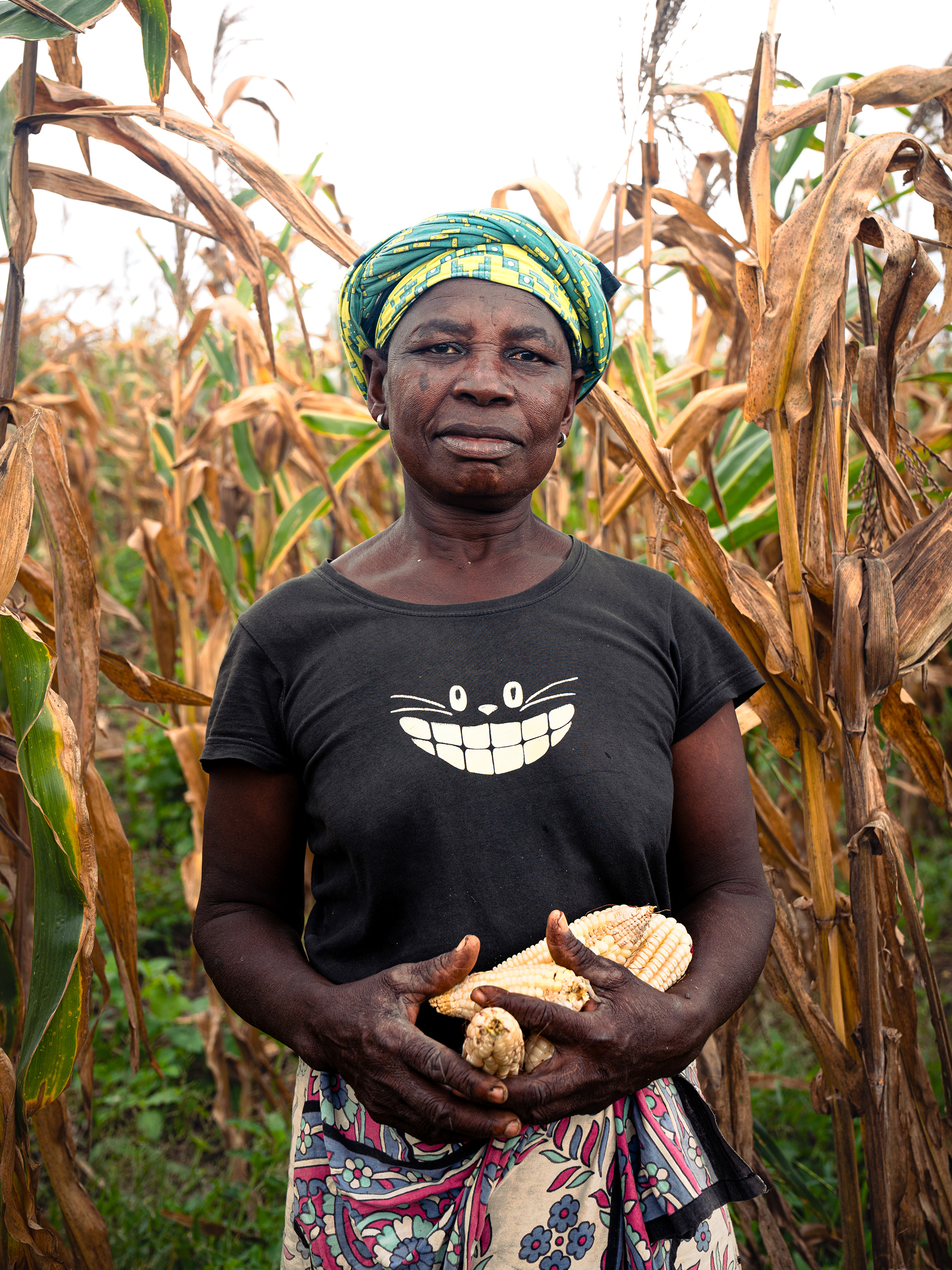
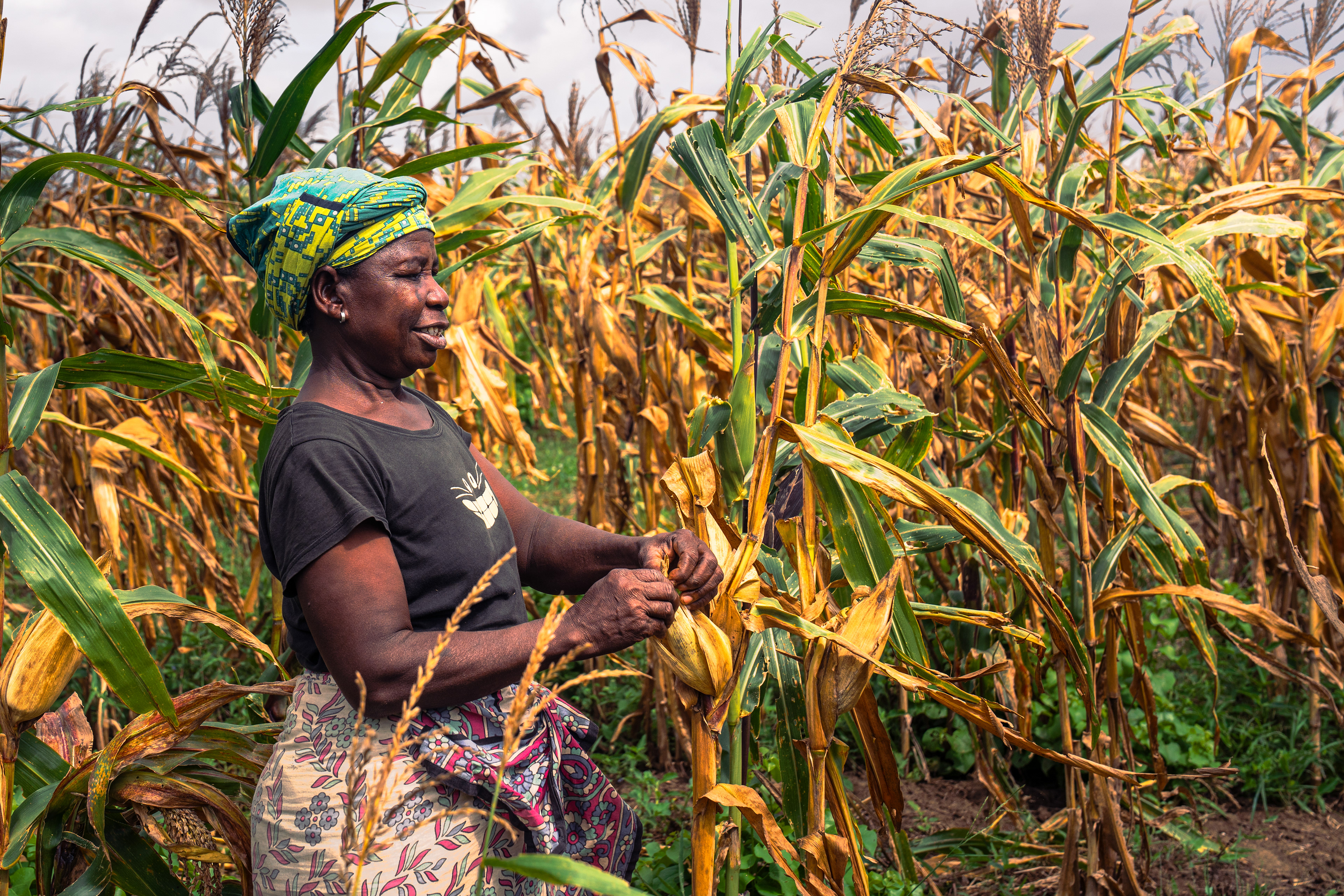
When I met [NAME (replace name with actual name)], the mother of Baraka, one of A Rocha's. scouts, her maize field was thriving. Mature cobs hung from the stalks, beans spread between the rows and the plants showed few signs of stress. It stood in sharp contrast to many of the fields I had passed through elsewhere in more coastal areas, where failed crops, yellowing leaves and stunted maize plants had become a familiar sight.
We walked through the field as she checked the plants. Her hands moved quickly and confidently, brushing aside leaves and removing beetles before they could cause any damage. It was not something she needed to think about; it was simply part of caring for land she had farmed for years.
She spoke with quiet pride about the harvest. The maize feeds her family throughout the year, while any surplus is sold for a small income. She told me she has never used fertilisers or pesticides. The land, she believes, is enough - and from what I saw, I believe that too. Each year it produces two harvests: one after the long rains and another after the short rains.
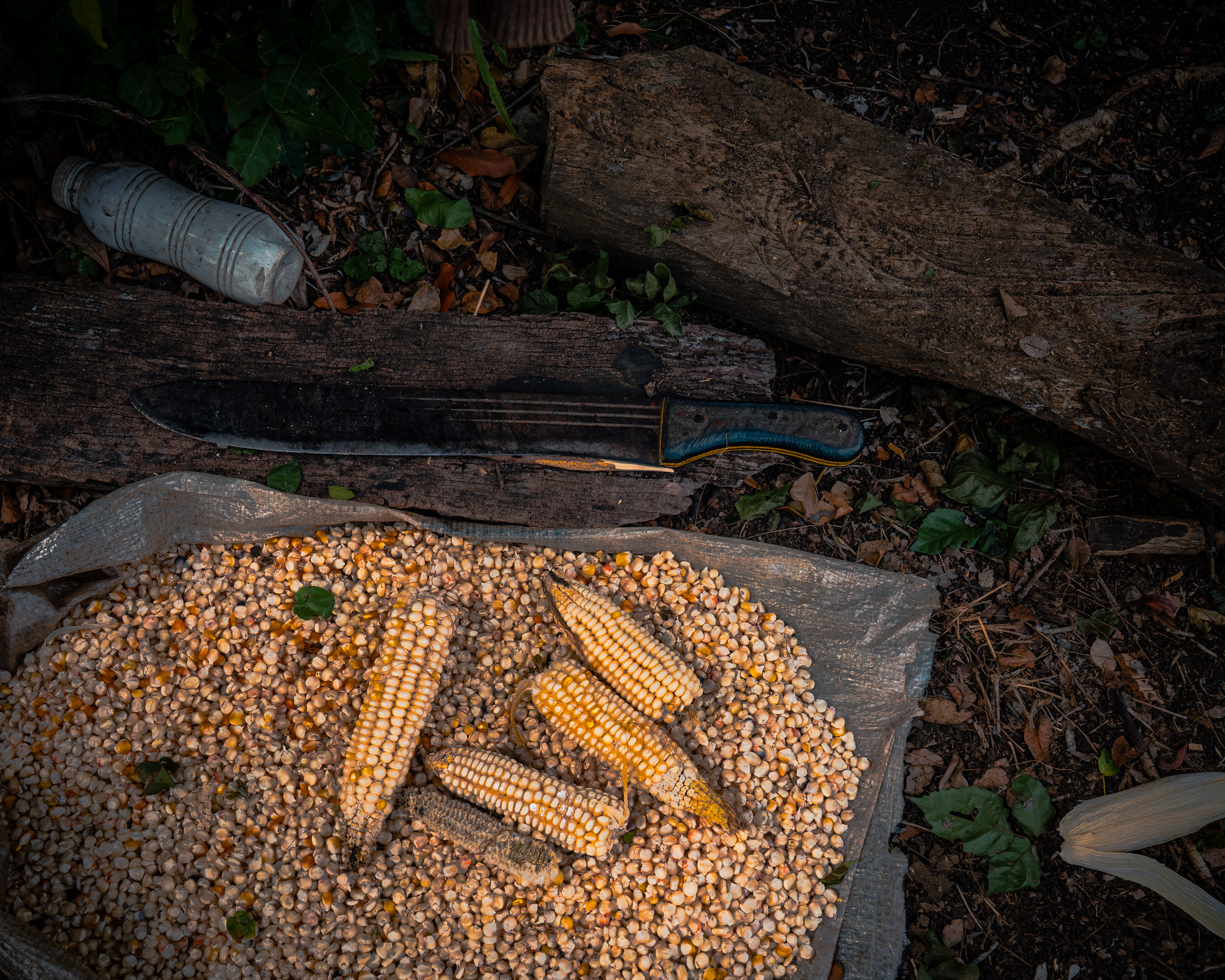
After picking several cobs, [NAME] walked to a tree at the edge of the field and sat down among the beans growing beneath it. As we talked, she removed kernels from the cobs by hand.
For much of her life, farming has provided for her family. Yet, even a productive harvest offers no guarantee for the future.
We then spoke about how much had changed over her lifetime. When she was younger, livestock movements were smaller and largely stayed within community boundaries. Today, much larger herds regularly arrive from across the border from Somalia. Numbering in the hundreds, and sometimes the thousands, they can move through farmland with little regard for crops or property boundaries.
The consequences can be severe. A healthy maize crop represents months of work, food for the year ahead and the income needed to plant again when the rains return. A single herd can undo all of that in a matter of hours. Because of this, some families choose to sleep beside their crops during the growing season, particularly in the weeks before harvest, to guard against potential threats.
[NAME] recalled a time when livestock entered her farm and destroyed part of the crop. The compensation she received covered only a fraction of what was lost. When she tried to pursue the matter further, very little came of it. Discussions with local authorities left her frustrated and convinced that those with money and influence were more likely to be heard than community members like herself.
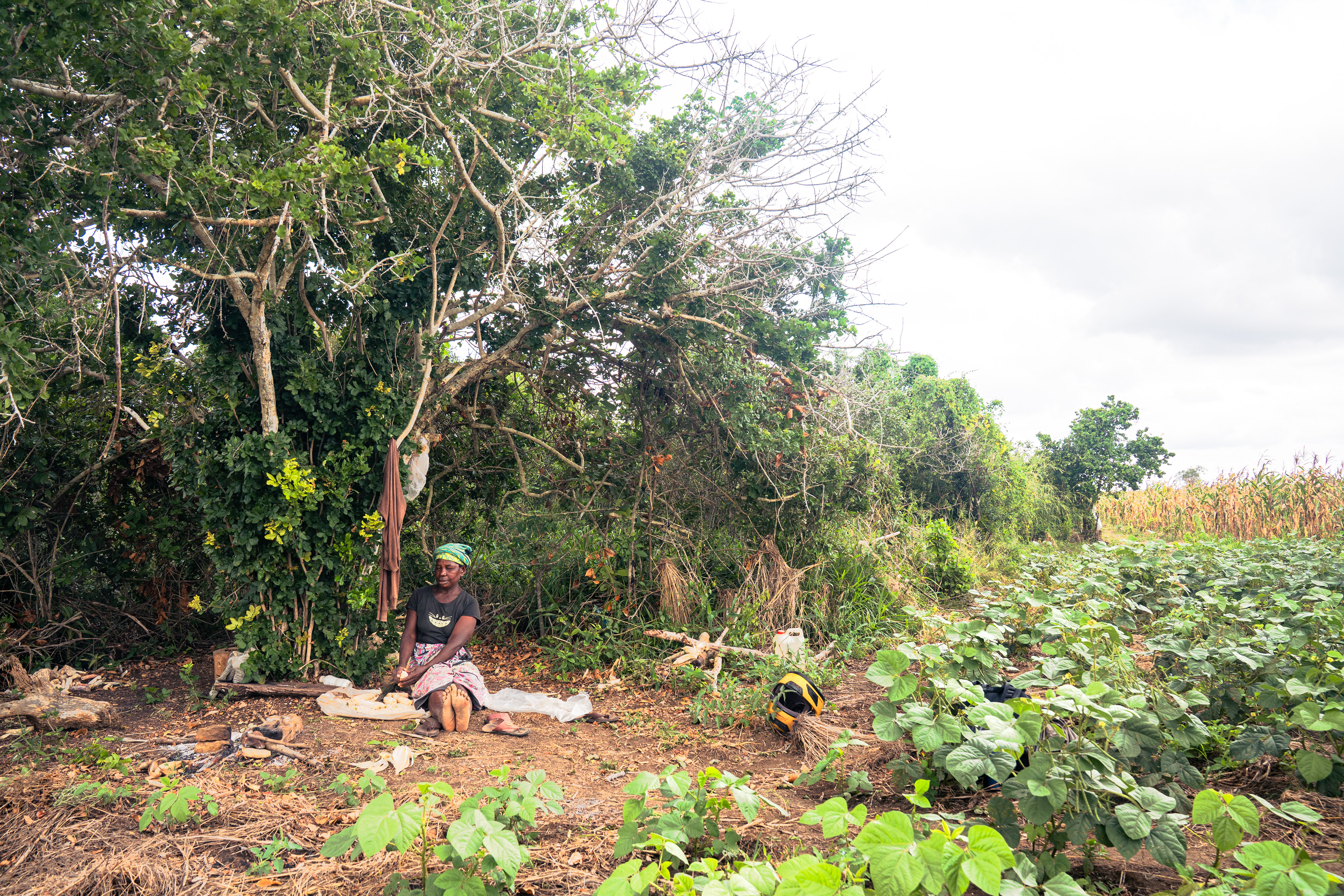
The experience stayed with her. When a harvest is lost, the effects are felt long after the livestock have moved on. Standing in the field, it became clear how narrow the margin for error can be. A harvest is not simply a source of food or income; it is also a measure of security and the foundation on which future seasons depend.
From the edge of the field, the view stretched across Dakatcha. Farms, scrubland and woodland formed a patchwork across the landscape, each supporting local livelihoods in different ways. Firewood remains essential for cooking, while farming provides both food and income for many households.
Just up the road, Baraka and his family farm a neighbouring plot. [NAME] spoke proudly of his work as one of A Rocha Kenya's Dakatcha scouts. Before becoming a scout, Baraka was involved in charcoal production, an activity that remains an important source of income for many local families. Today, his work focuses on helping to protect the same landscape while providing environmental education and supporting more sustainable livelihoods.
Listening to her speak, it became clear that conversations about protecting Dakatcha cannot be separated from conversations about farming, water and livelihoods. There are very real reasons why the land is being cleared and degraded and, simply put, many people are trying to survive.
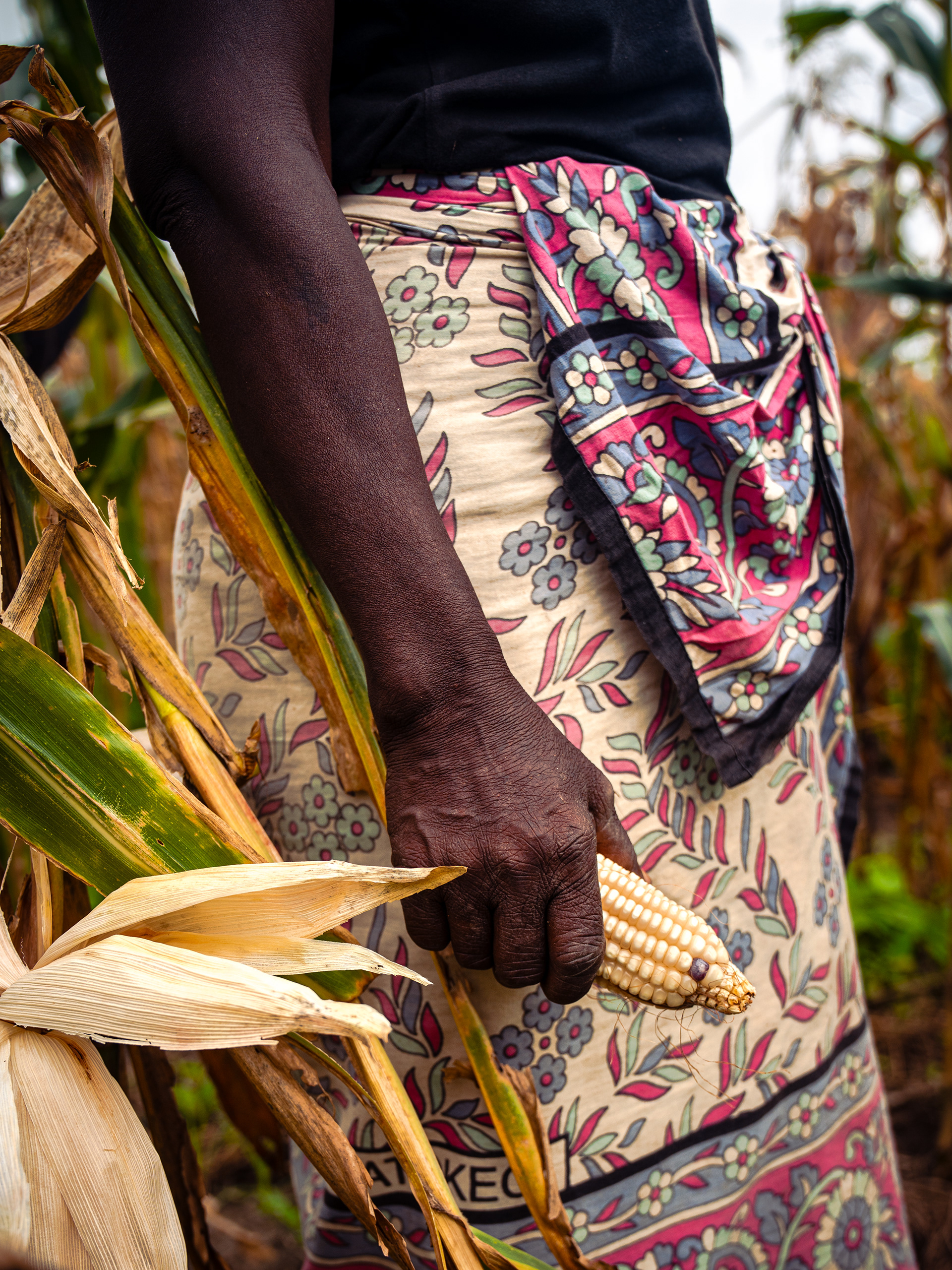
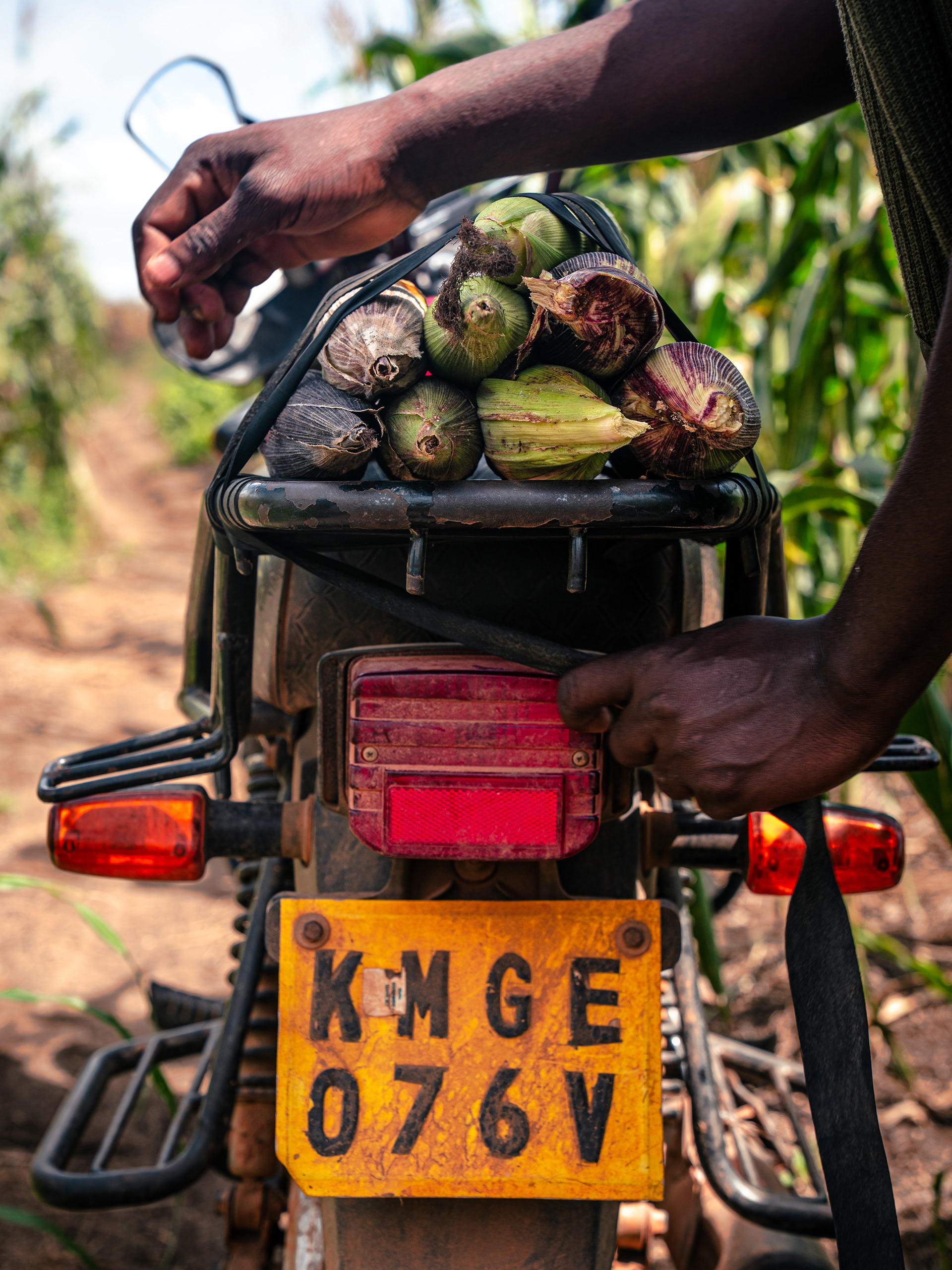
This same landscape is home to endangered species that depend upon it for survival, while also providing farmland, firewood and income for local communities.
Before we left, [NAME] picked several more cobs for us to take home. It was a small gesture, but one that reflected the generosity I encountered throughout in the woodland, even in places where material resources are limited.
The future of Dakatcha is often discussed in terms of endangered species, threatened woodland and conservation targets. Yet for many of the people who live here, those conversations begin somewhere much closer to home. They begin in fields like this one.
If Dakatcha is lost, the consequences will not only be measured in hectares of woodland or the disappearance of rare wildlife. They will also be felt by the communities, families and livelihoods that depend upon it.