Beyond the Woodland
- An article written for A Rocha Kenya's fundraising campaign to increase the land protected in the Dakatcha Woodlands.
Before arriving in Dakatcha, I thought I had a rough idea of what the challenges would look like.
Like many people, when I hear discussions about deforestation, I tend to picture large-scale problems: illegal logging, vast areas of forest cleared for agriculture, mining operations and other obvious threats. I expected to unravel Dakatcha's story in a relatively straightforward way and perhaps that it would simply be about an important woodland under pressure from people who want the land for something else.
Instead, I left with more questions than uncomplicated answers.
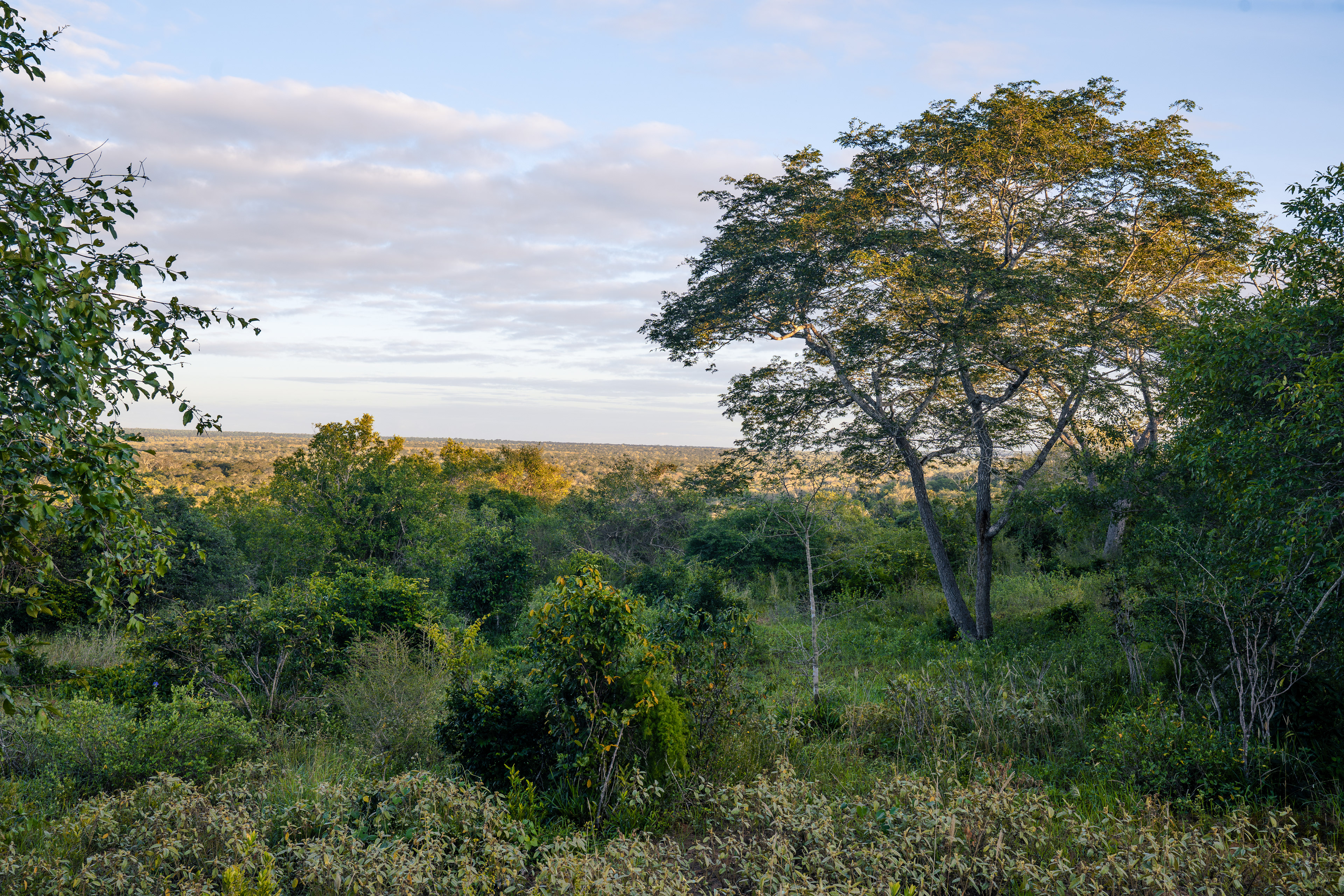
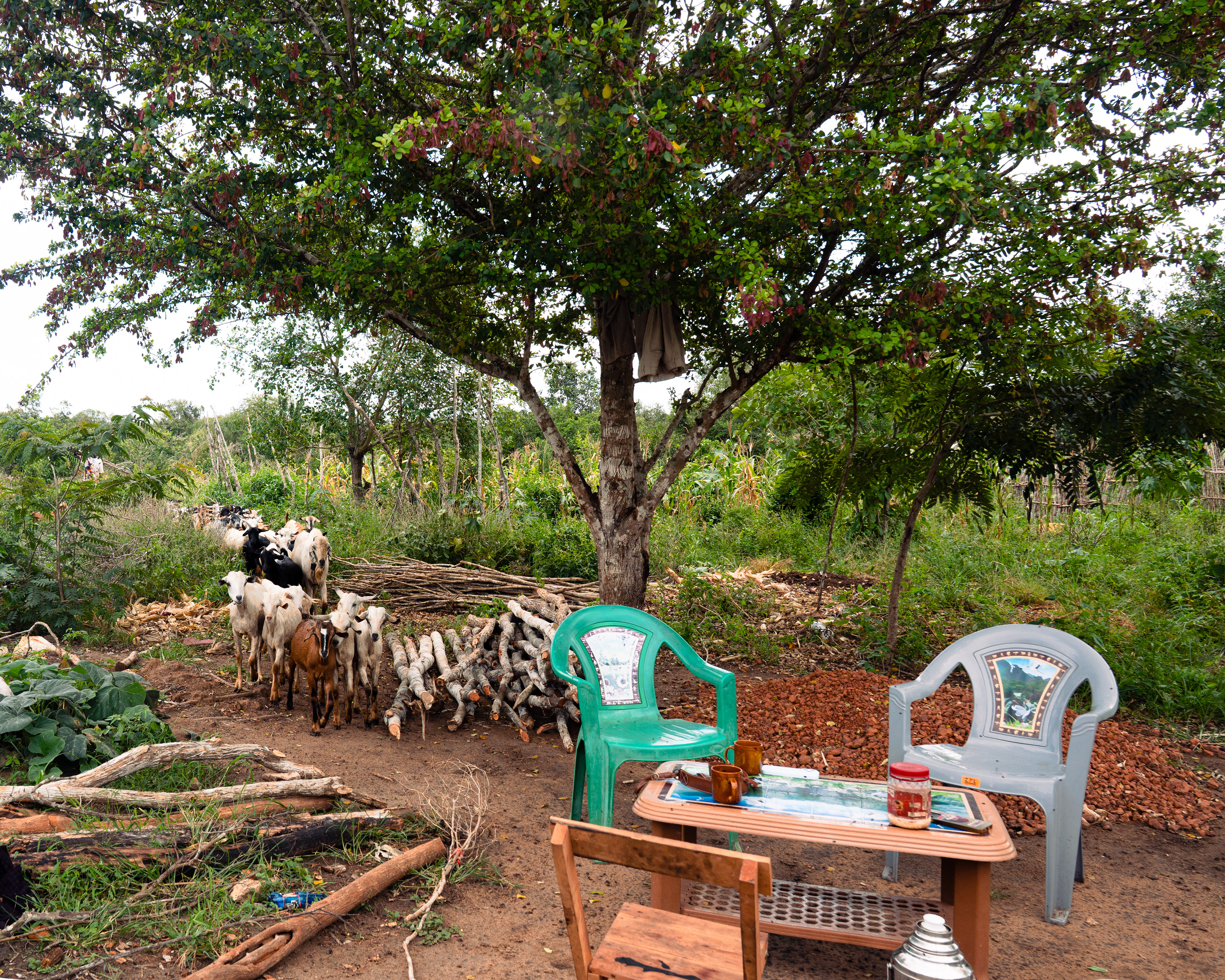
One of the first things that surprised me was the landscape itself. When I think of woodland, I tend to imagine dense forest, towering trees and tangled vines. Parts of Dakatcha certainly look like that, but much of it does not. As we travelled through the area, the habitat changed constantly. Dense woodland gave way to thicket, scrubland and farmland before returning to forest again. In some places, a change in soil colour literally marked the boundary between entirely different ecosystems.
The more time I spent in the woodland, the more I realised how little I understood about the forces shaping it. Conversations about birds quickly became conversations about illegal migration. Discussions about conservation led to questions of land ownership, education and livelihoods. Even the landscape itself was tied to economics. Certain soil types support crops that are far more valuable than others, creating financial pressures that are not immediately visible to someone passing through.
What challenged my assumptions most was that many of the problems facing Dakatcha were not simple.
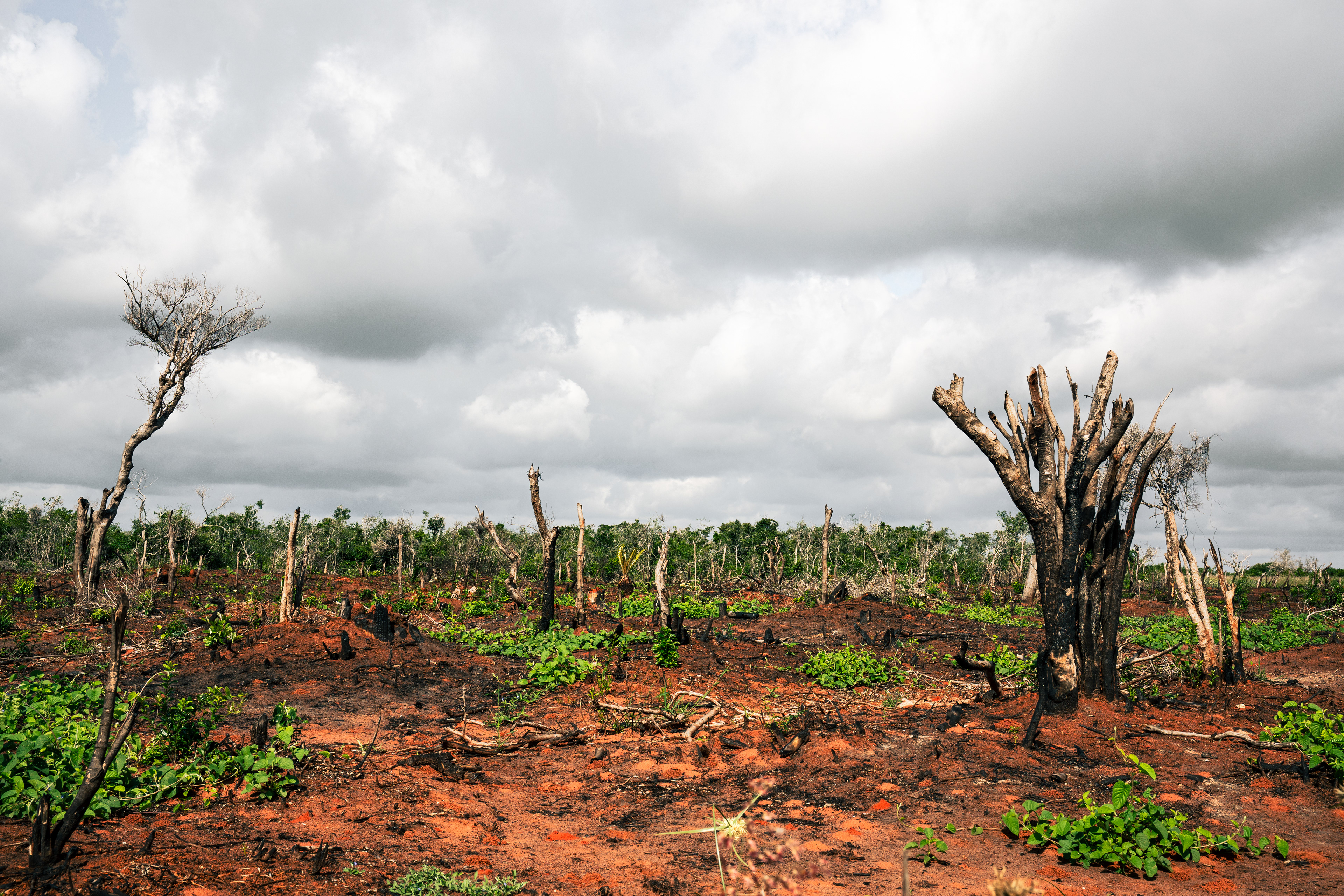
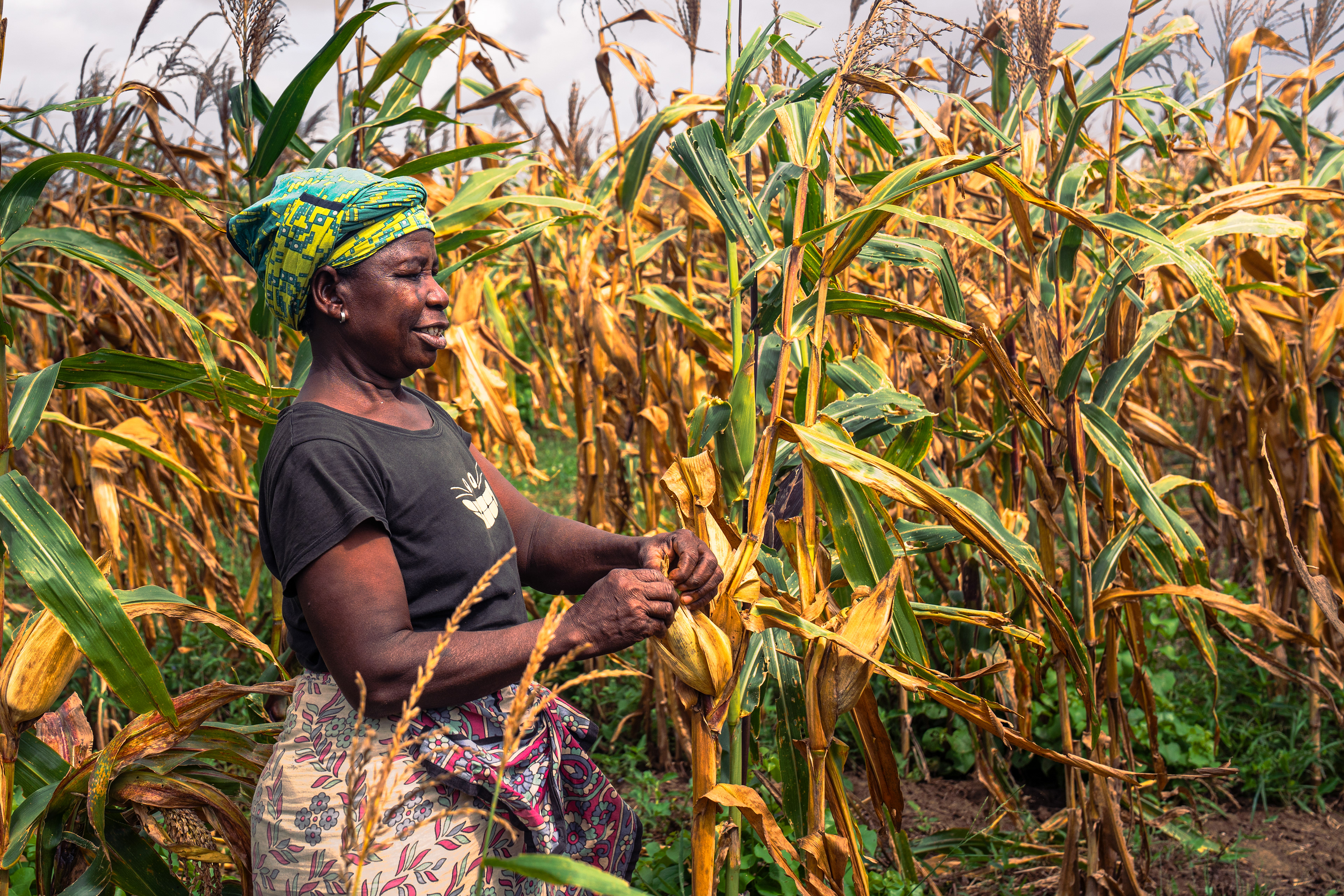
I had not expected to hear stories of large herds of cattle and camels being brought across the border from Somalia to graze. I had not considered how easily this could destroy a family's crops in a matter of hours, or how insecurity and conflict can shape people's relationship with the environment. Nor had I fully appreciated how closely environmental problems can be linked to poverty.
It is easy to say a woodland should be protected. It is much harder to answer what happens when cutting trees provides the income needed to buy food or pay school fees. Throughout Dakatcha, I repeatedly encountered this tension. People were not destroying the environment because they wanted to. More often, they were responding to the limited options available to them.
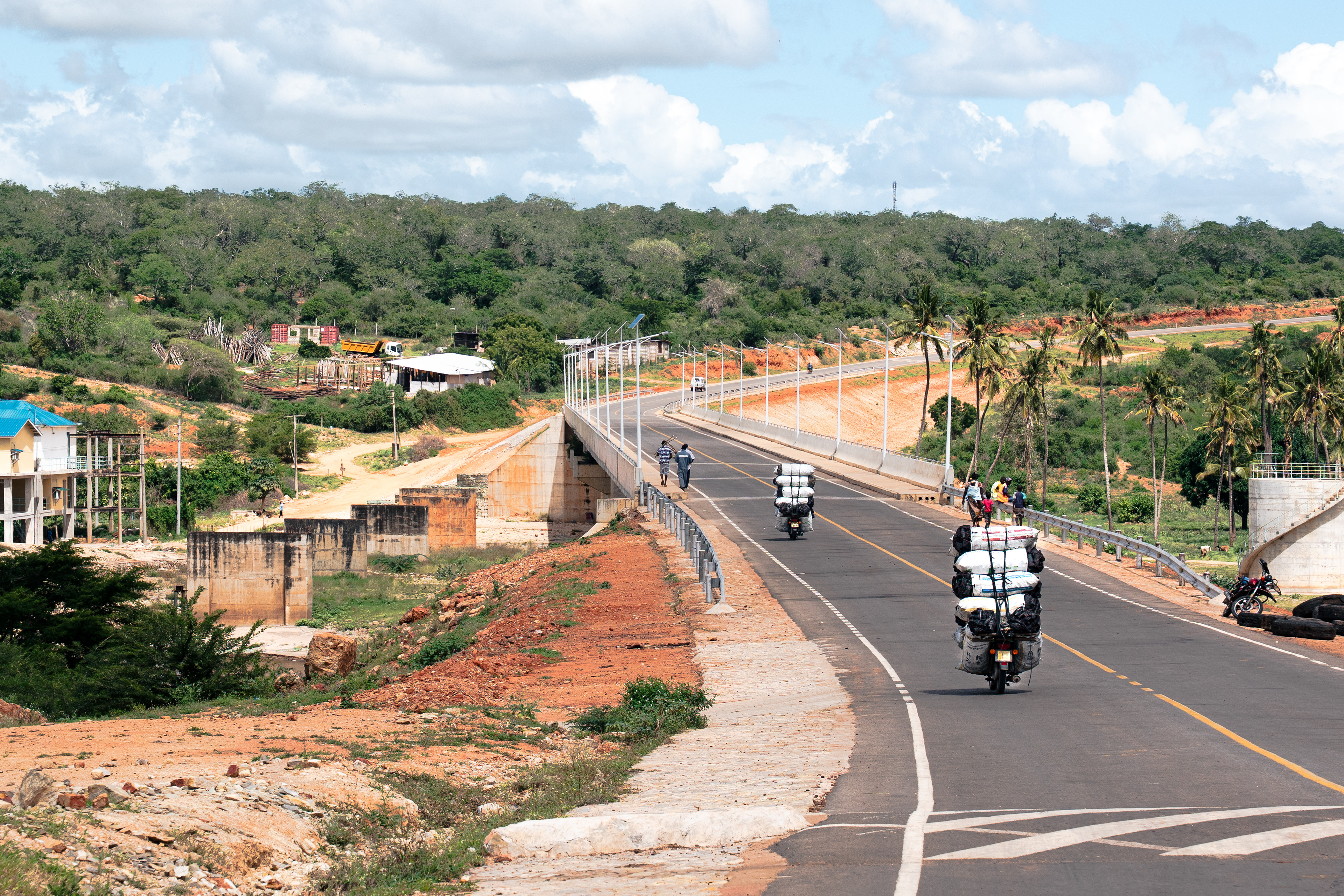
Charcoal production was one example that came up repeatedly. For many families, it remains one of the quickest and most accessible ways to earn money. Yet by the time that same charcoal had been purchased and reached towns and cities such as Malindi, Mombasa or Nairobi for resale, its value has increased dramatically. That disparity highlights the complex economics surrounding a trade that many people rely upon.
However, alongside these challenges, I also found opportunities for optimism.
One of the most encouraging things I encountered was the willingness of people to learn and adapt. Many community members understood that the woodland was important. They did not want to damage or see it disappear, but what they often lacked were plausible alternatives.
A Rocha Kenya is beginning to approach this challenge by helping communities develop alternative sources of income, including beekeeping, permanent fruit trees and other sustainable livelihoods. Rather than simply telling people what they should not do, these initiatives provide practical alternatives that can benefit both local families and the woodland.
Before arriving, I had imagined the project being led largely by scientists, researchers and outsiders. Instead, many of the people I met were from Dakatcha itself. The majority of the scouts had backgrounds closely connected to the woodland and its resources. Their knowledge of the landscape was extraordinary, and their commitment to protecting it challenged my perception of what conservation looks like in practice.
As an outsider, I also expected living and working alongside a group of local scouts to feel intimidating at times. Most spoke Giriama and Swahili, while my own vocabulary outside of English extended little beyond greetings and thank-yous. I thought the language barrier and cultural differences would make it difficult to connect.
Instead, I was met with warmth, humour and curiosity. People seemed far less concerned by where I came from than I had anticipated. In many cases, the impression I got was not suspicion, but appreciation that someone had travelled so far to listen to their experiences and help share their stories with a wider audience. Strangers very quickly became friends.
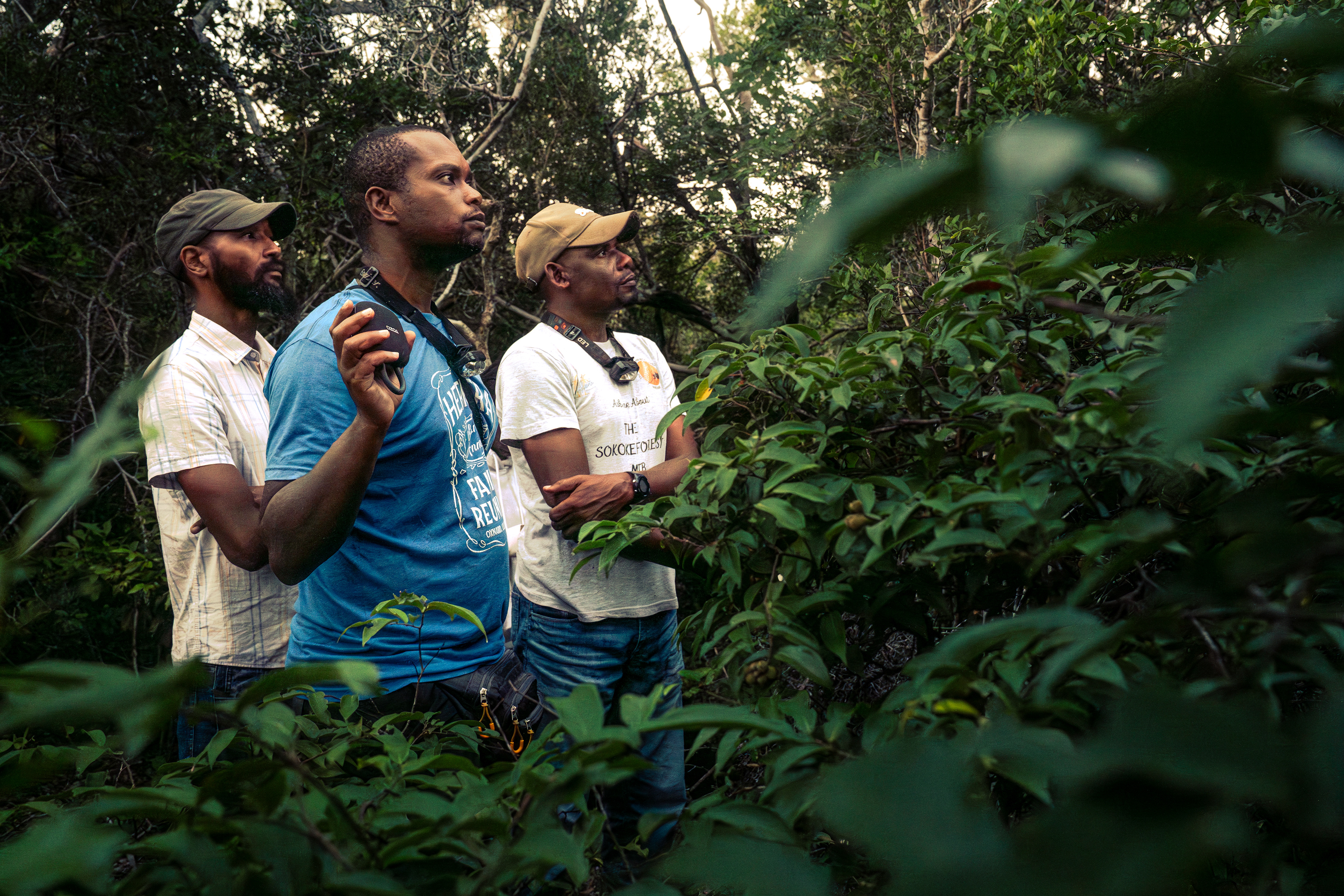
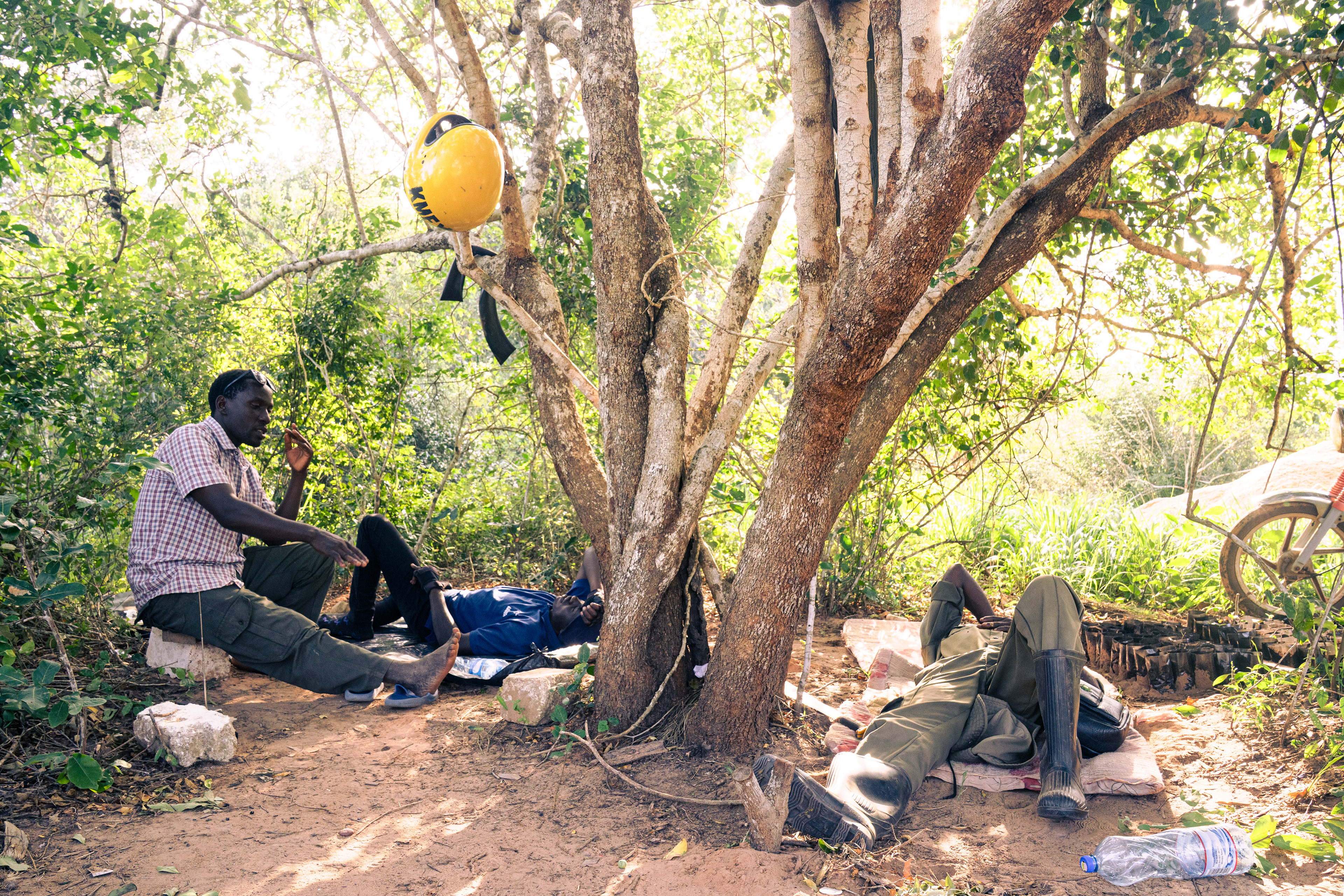
By the end of my time in the woodland, I realised that none of Dakatcha’s issues existed in isolation. Farming, conservation, education, security and livelihoods are all deeply connected. The more people I spoke to, the more difficult it became to draw a clear line between environmental challenges and human ones.
Rather than leaving more inspired or more frustrated, I left even more curious.
It felt as though I had only seen the surface of a much larger story, one that stretches far beyond the boundaries of the woodland itself. The more I learned, the more I wanted to understand.
Perhaps, that is what I will remember most about Dakatcha... not that it gave me answers, but that it left me wanting to ask better questions. Because the more time I spent there, the clearer it became that the future of the woodland will be shaped not only by the landscape itself, but by the people who call it home.
To find out more about A Rocha Kenya and their work click here.