The Early Nets Catch the Birds.
At A Rocha Kenya’s coastal nature reserve in Watamu, bird ringing begins before the heat of the day takes hold. This piece follows one early-morning ringing session, from the quiet work of setting mist nets through the careful process of extracting, measuring and recording each bird before its release. Through photographs and observations from the field, it offers a glimpse into the patient, hands-on work of monitoring the birds that inhabit Kenya’s coastal forest.
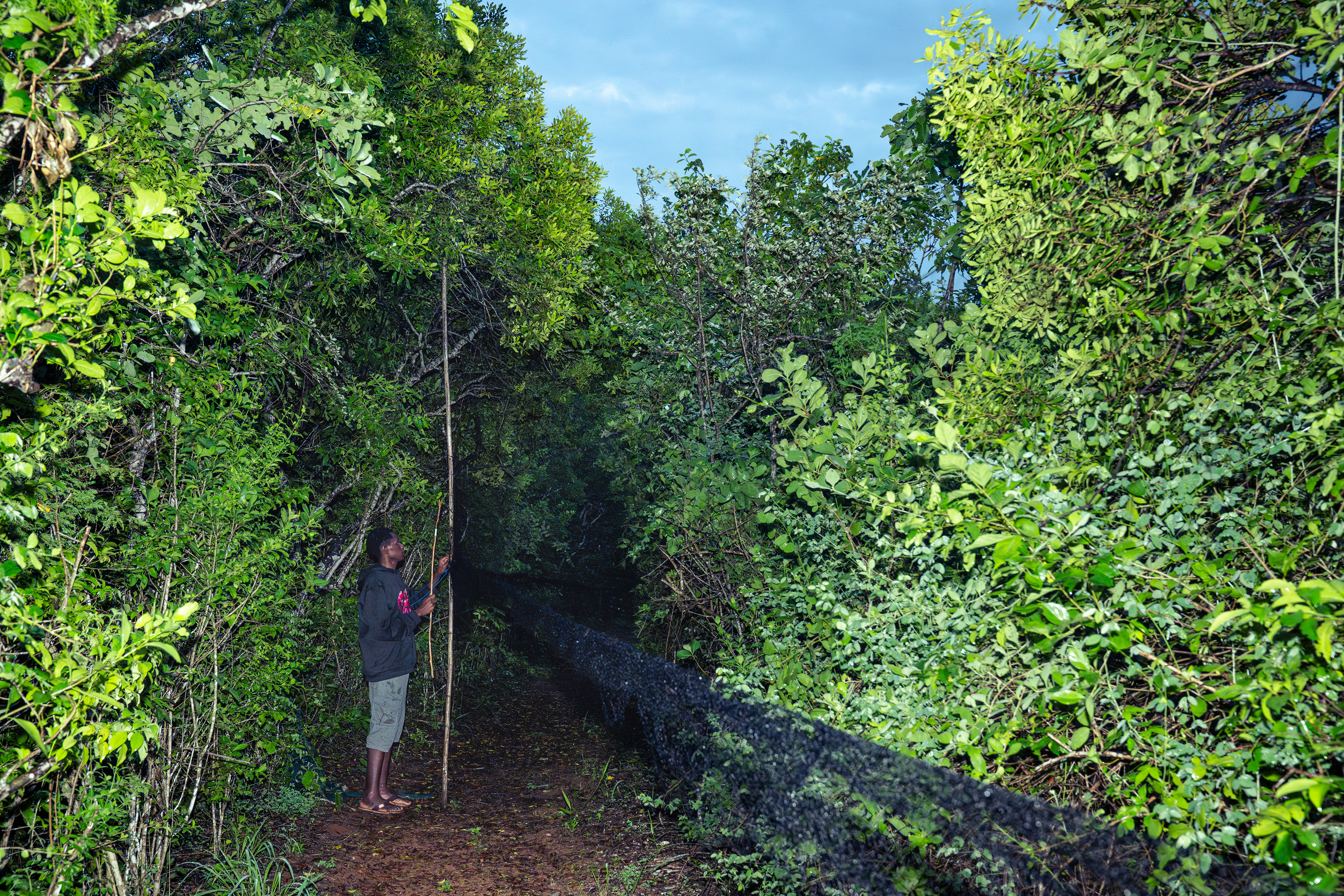
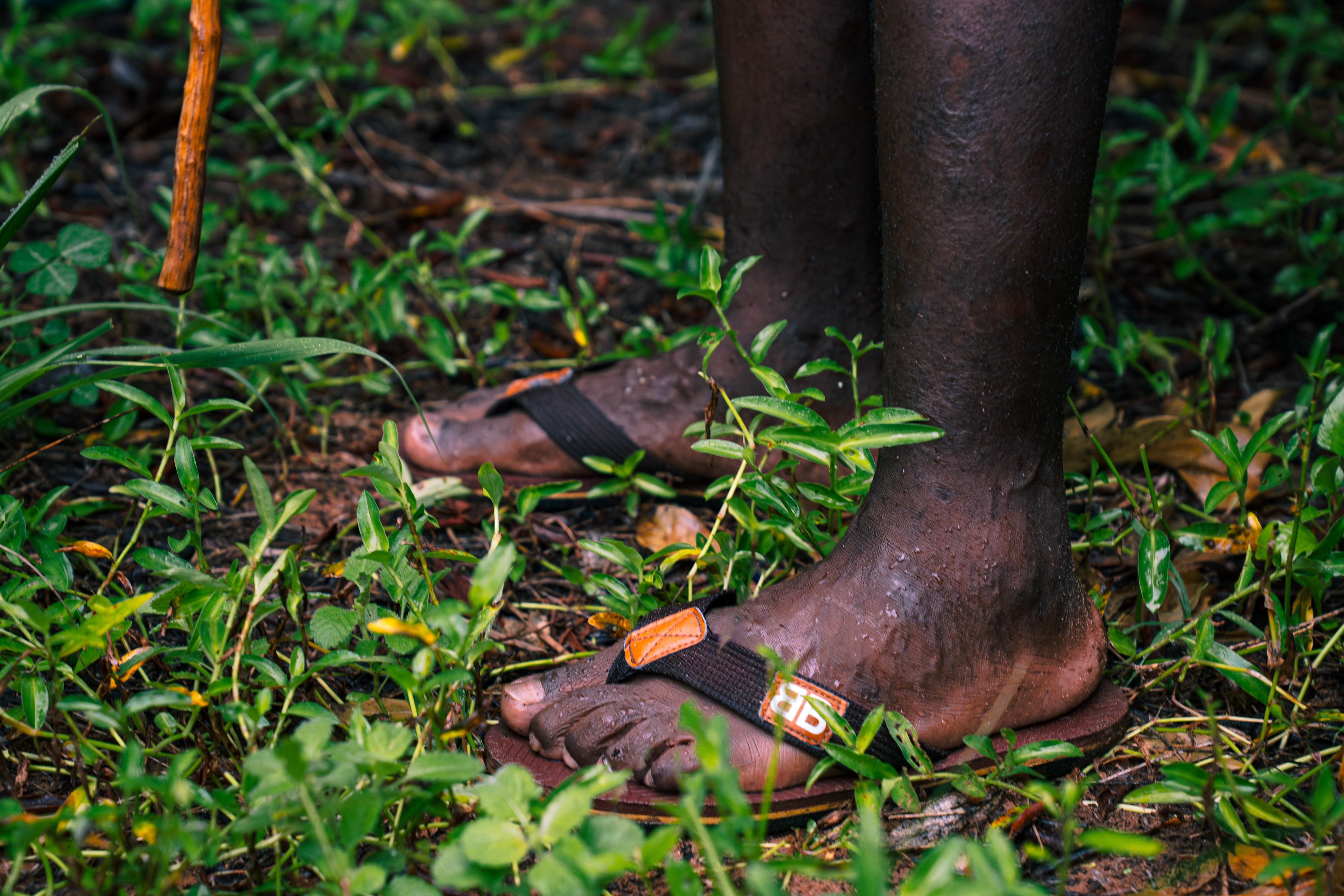
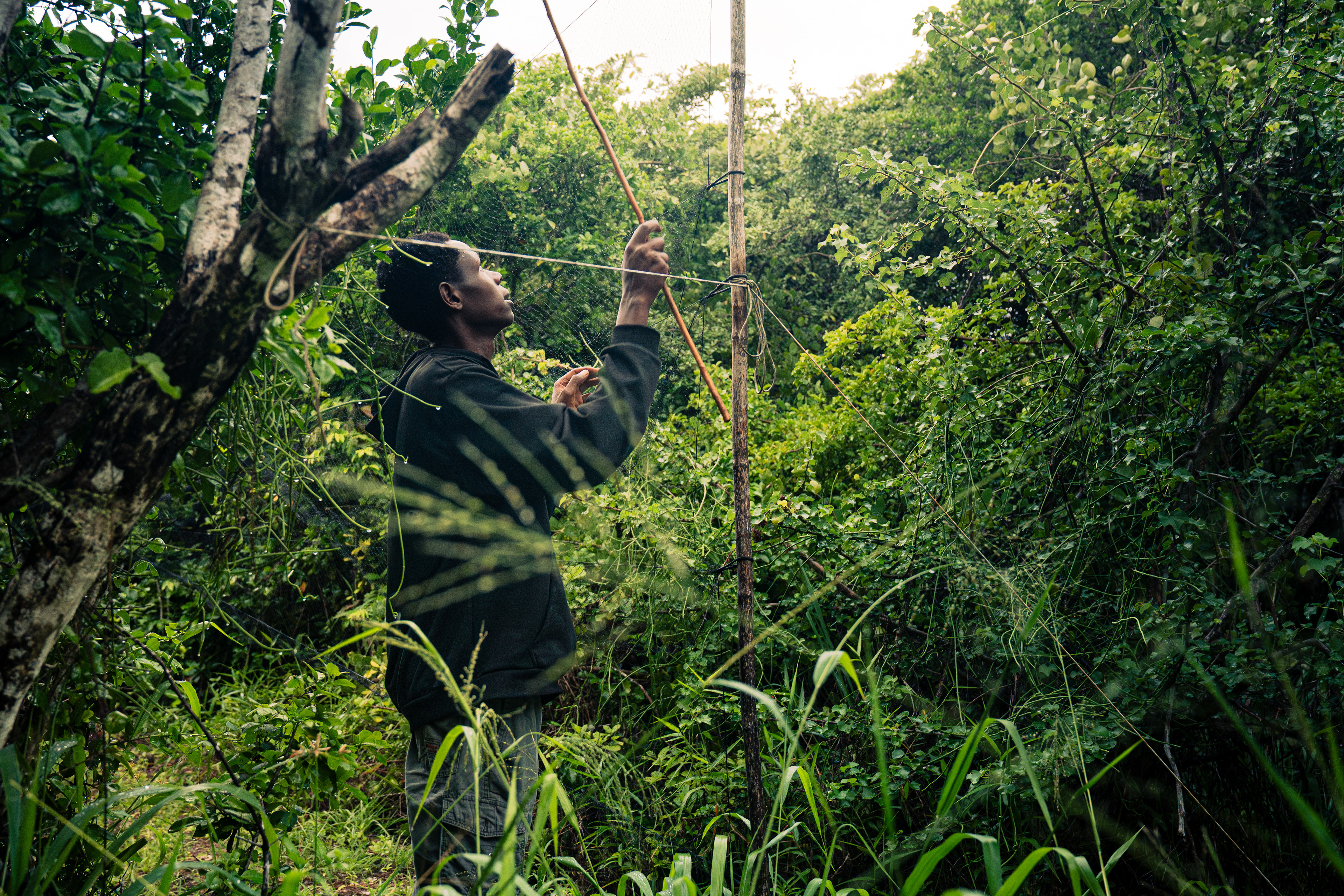
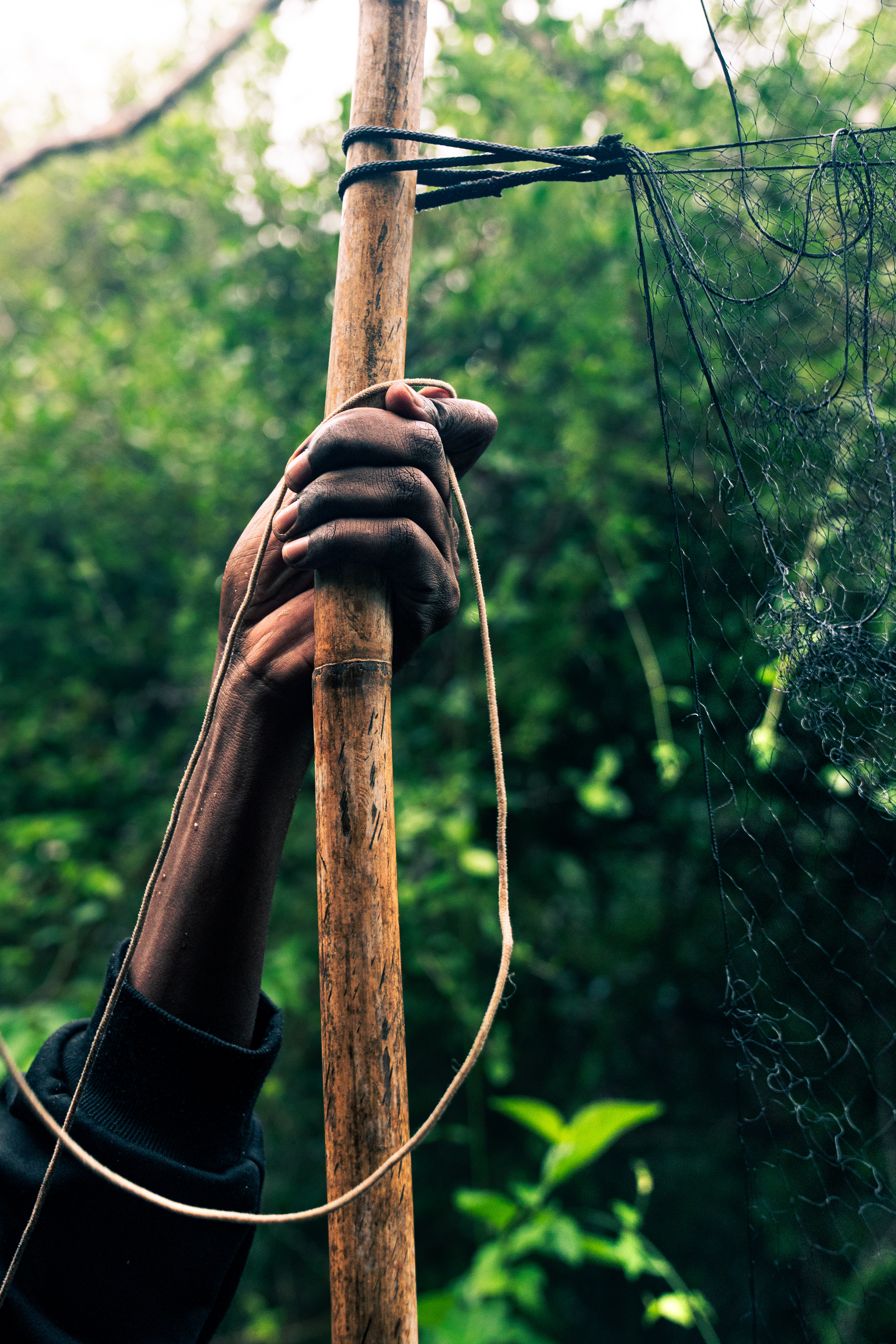
The net opening began with a hurried rush through the brush and undergrowth, untangling the nets in preparation for the unsuspecting birds that would soon fly into them. The maze of coastal thicket grazed my shoulders as I followed behind, barefoot and still heavy-eyed from sleep. In the half-light, the narrow trails felt unfamiliar, and I found myself watching the ground as much as the path ahead. Once unbound and straightened, the nets were raised on tall bamboo poles - some ran for 30 metres or more in length, threaded through narrow corridors between the trees.
By the time the final net was in place, the morning was beginning to stir. Calls emerged from different corners of the thicket, while the first shafts of sunlight filtered through the canopy overhead. With the nets open, we retraced our steps along the trail in search of any birds that had become entangled - or, as the team jokingly called them, any “monkey problems.”
By the time the final net was in place, the morning was beginning to stir. Calls emerged from different corners of the thicket, while the first shafts of sunlight filtered through the canopy overhead. With the nets open, we retraced our steps along the trail in search of any birds that had become entangled - or, as the team jokingly called them, any “monkey problems.”
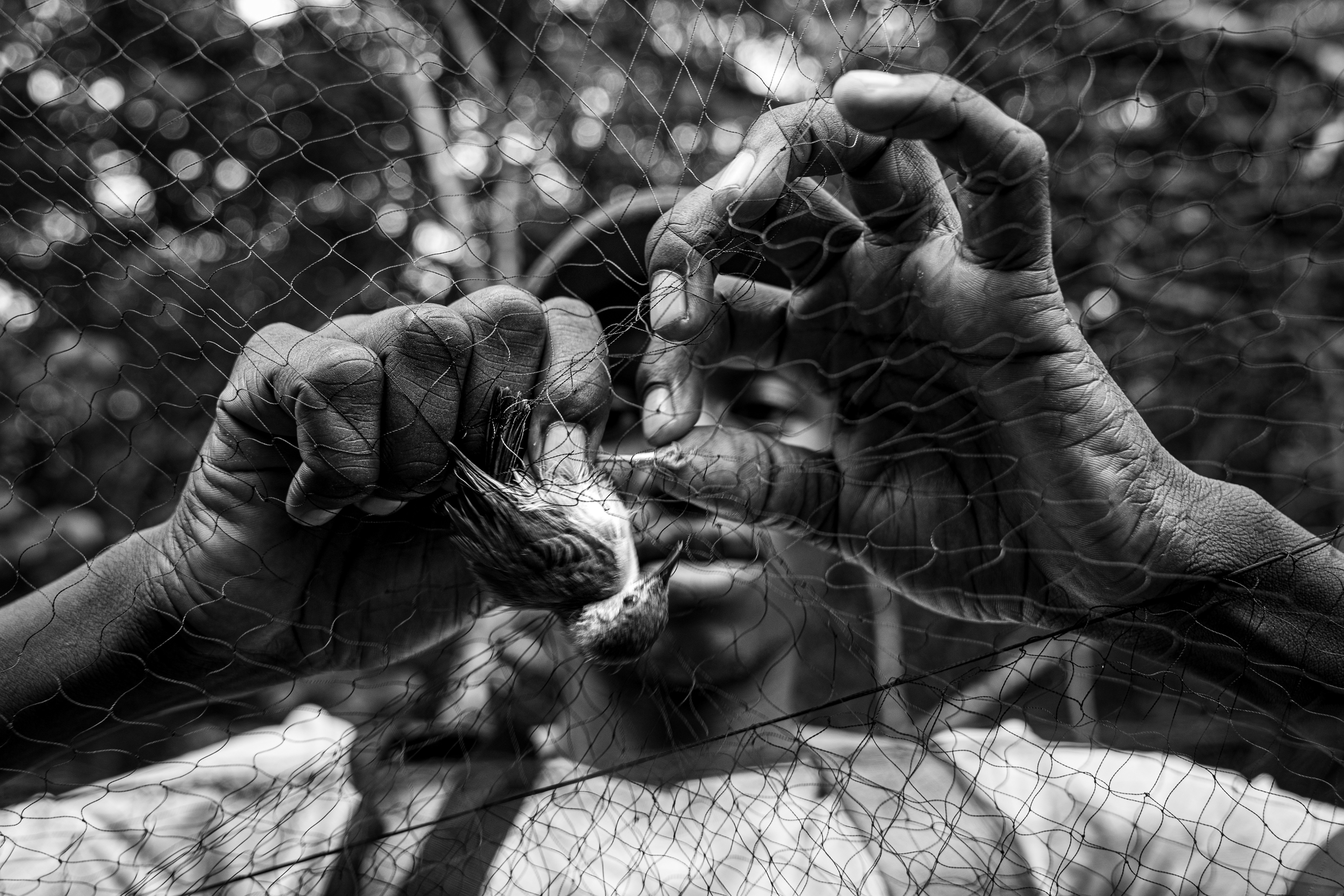
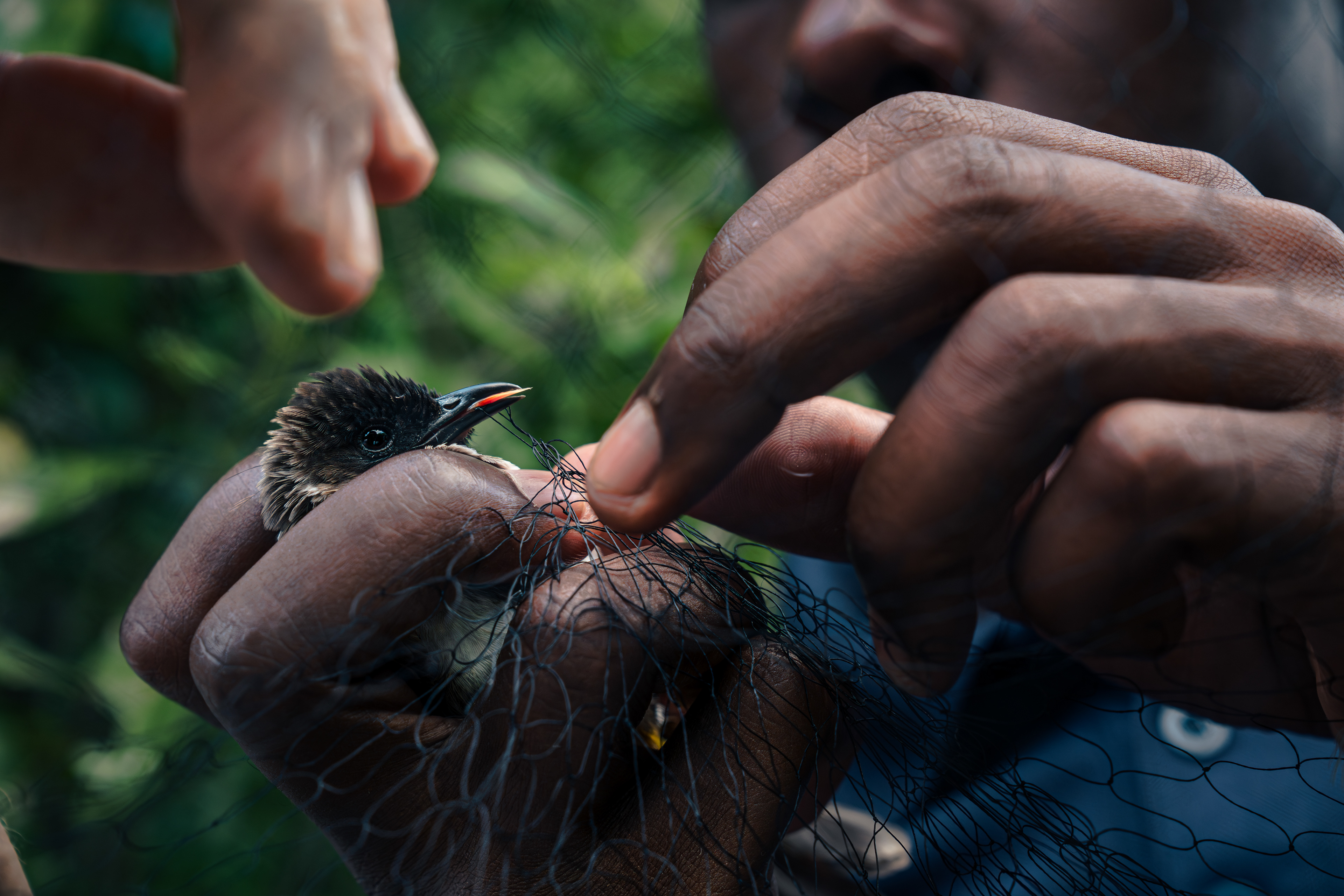
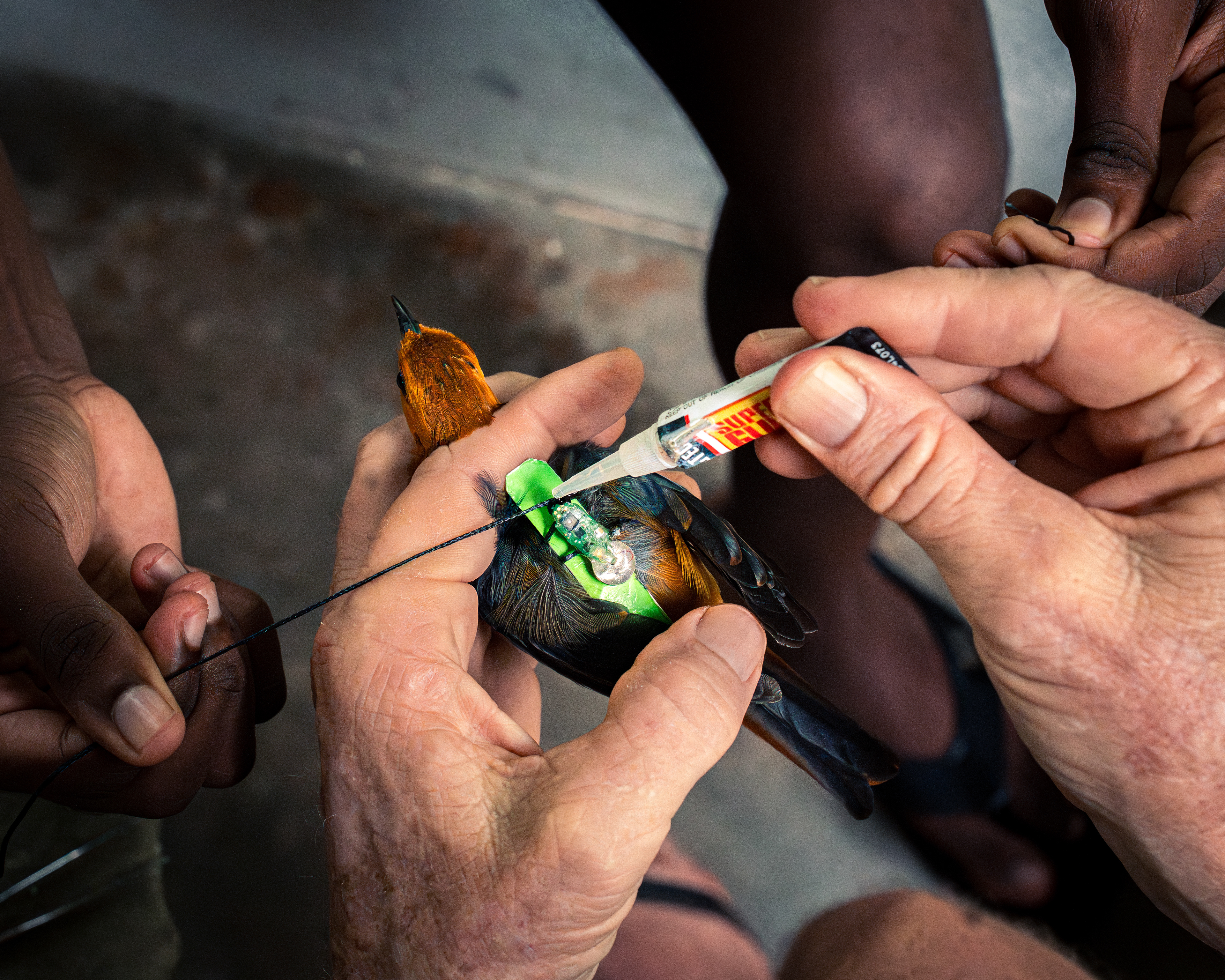
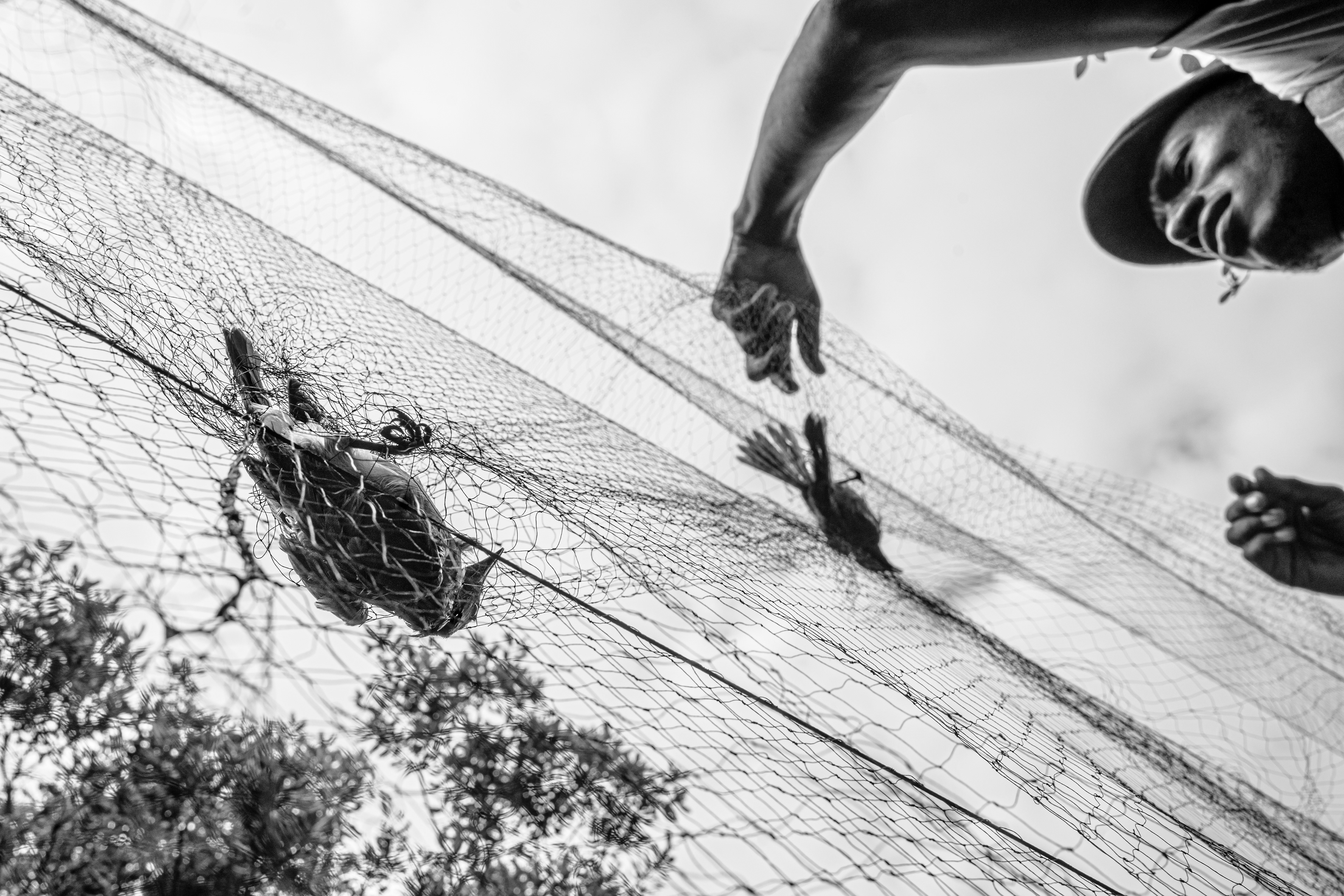
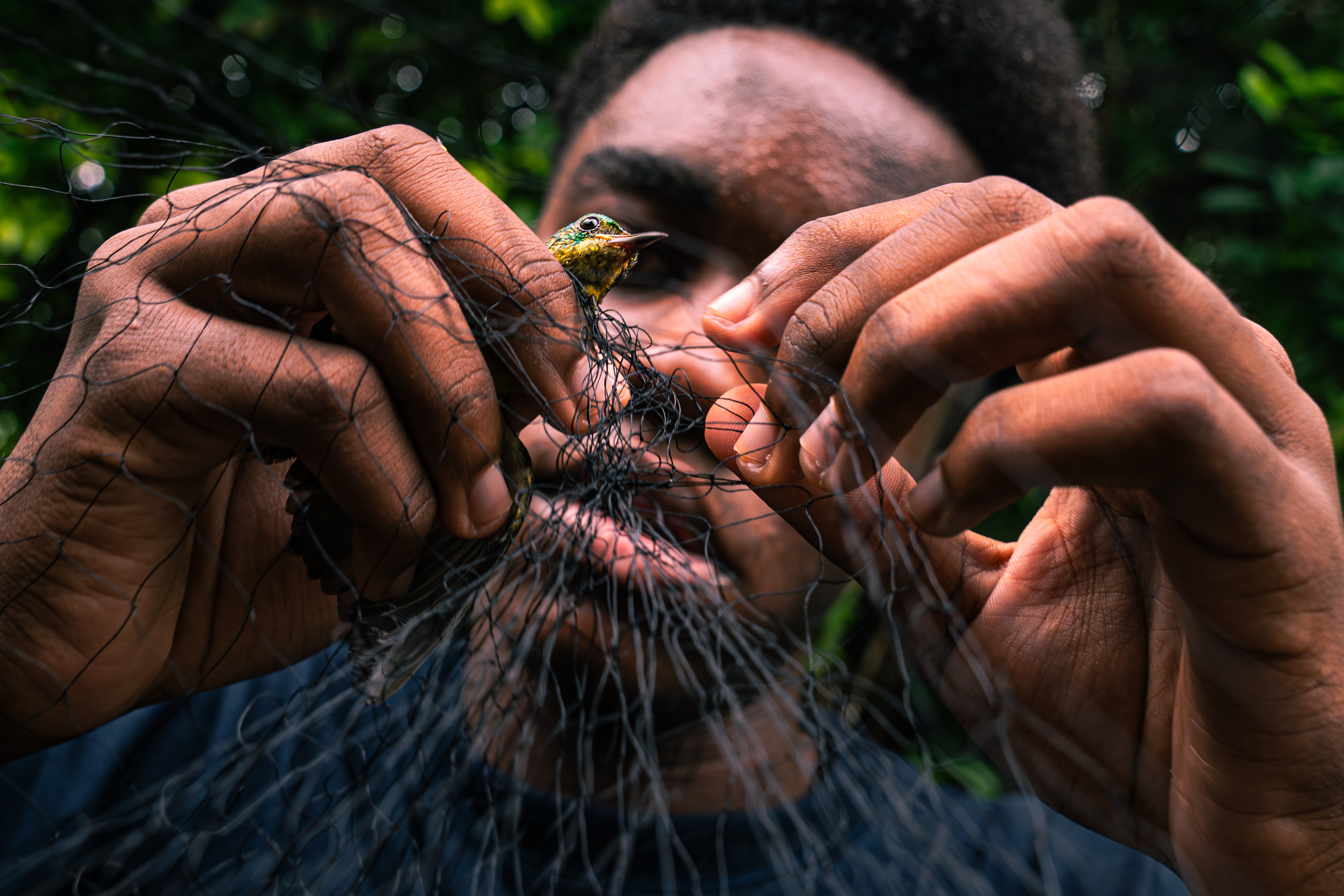
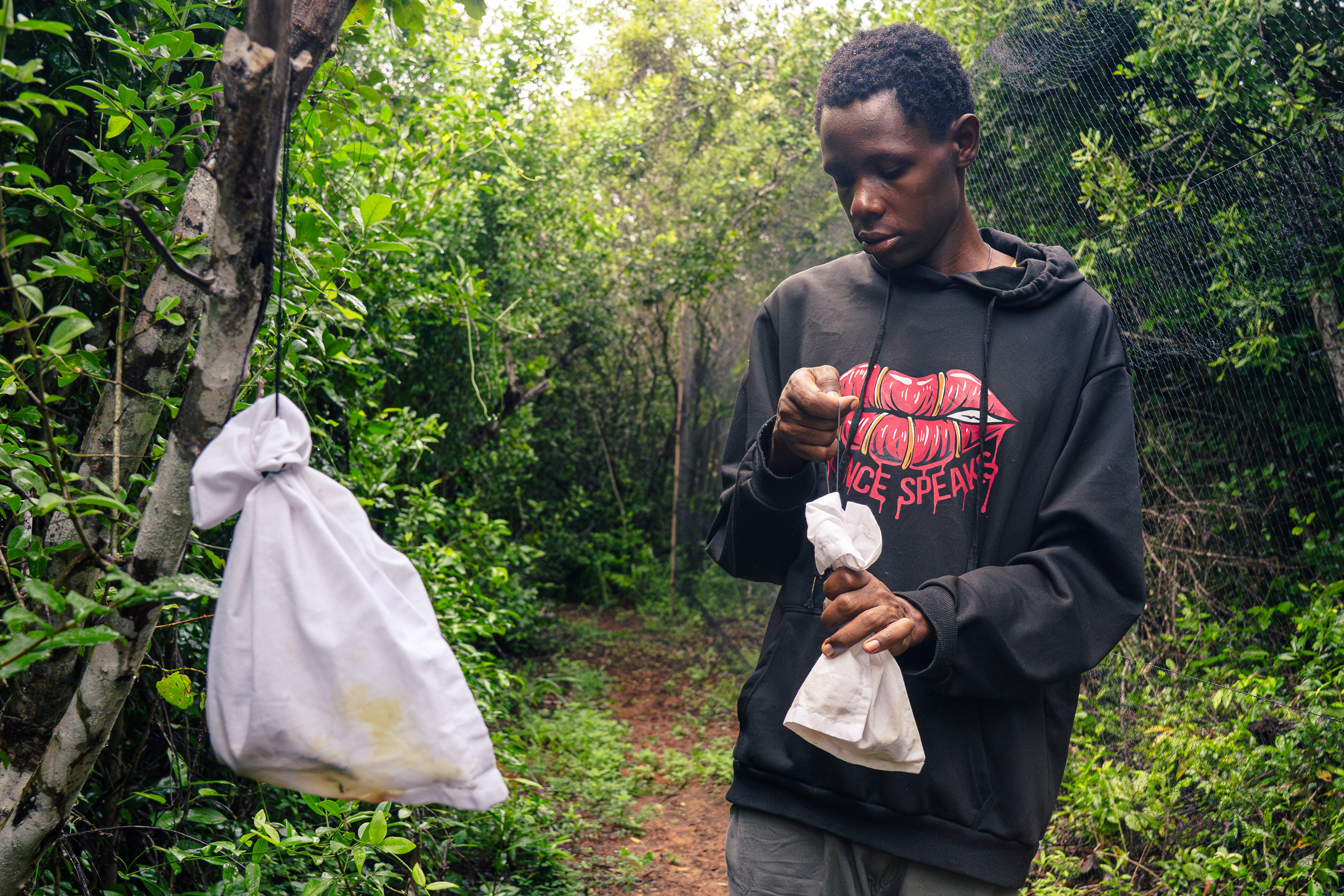
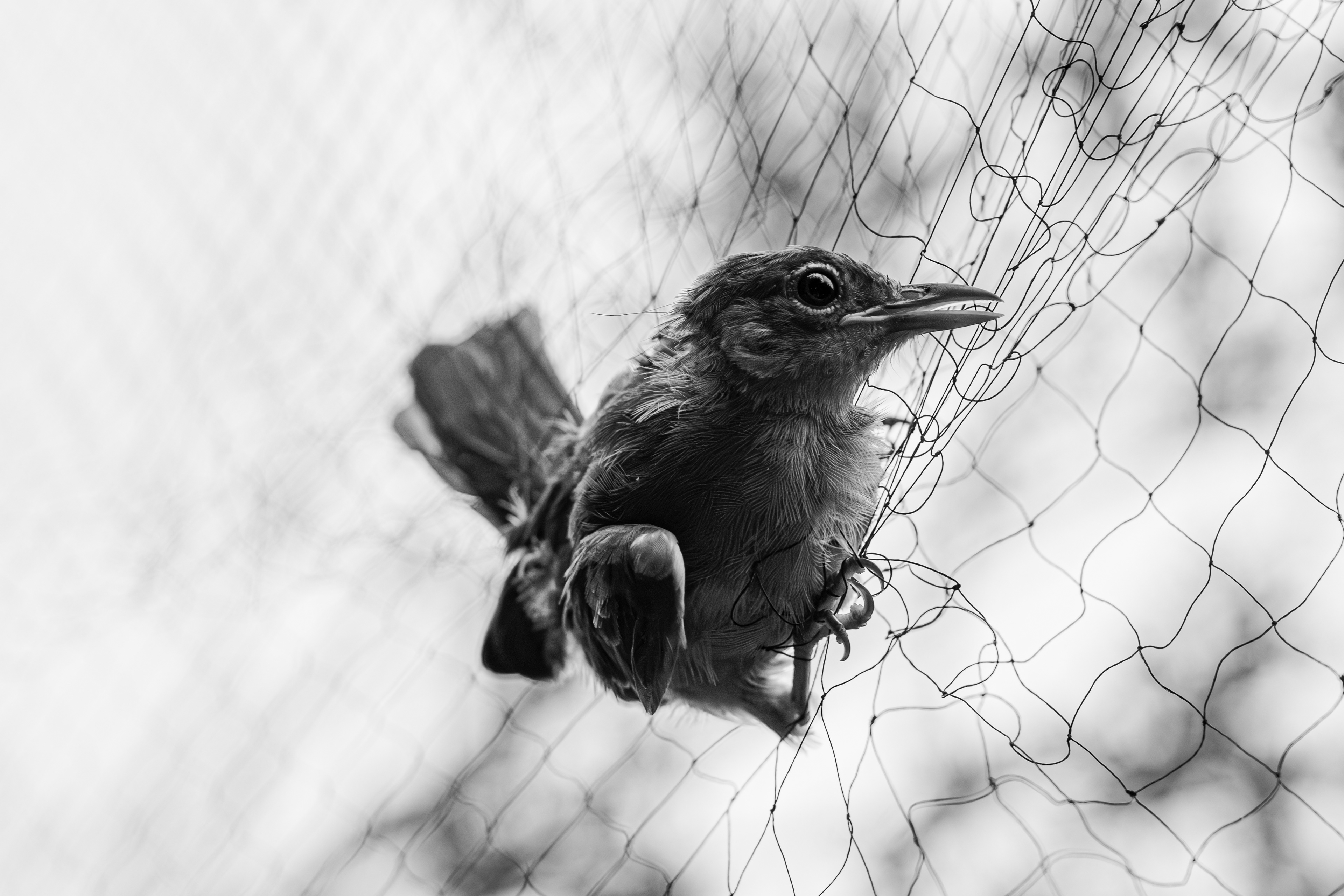
The first check proved successful, with six birds held in the netting. Some were still trying to free themselves, while others hung quietly in the mesh. Most could be removed in a matter of seconds, though occasionally a bird was more heavily entangled. In one case, a forked tongue had become caught in the fine strands of the net, requiring several minutes of careful work before the bird could be freed. Once removed, each bird was placed in a cotton bag and taken back to the ringing table. Around the table, the process was calm and efficient. Measurements were called out and recorded by hand, while the next birds waited quietly in their bags.
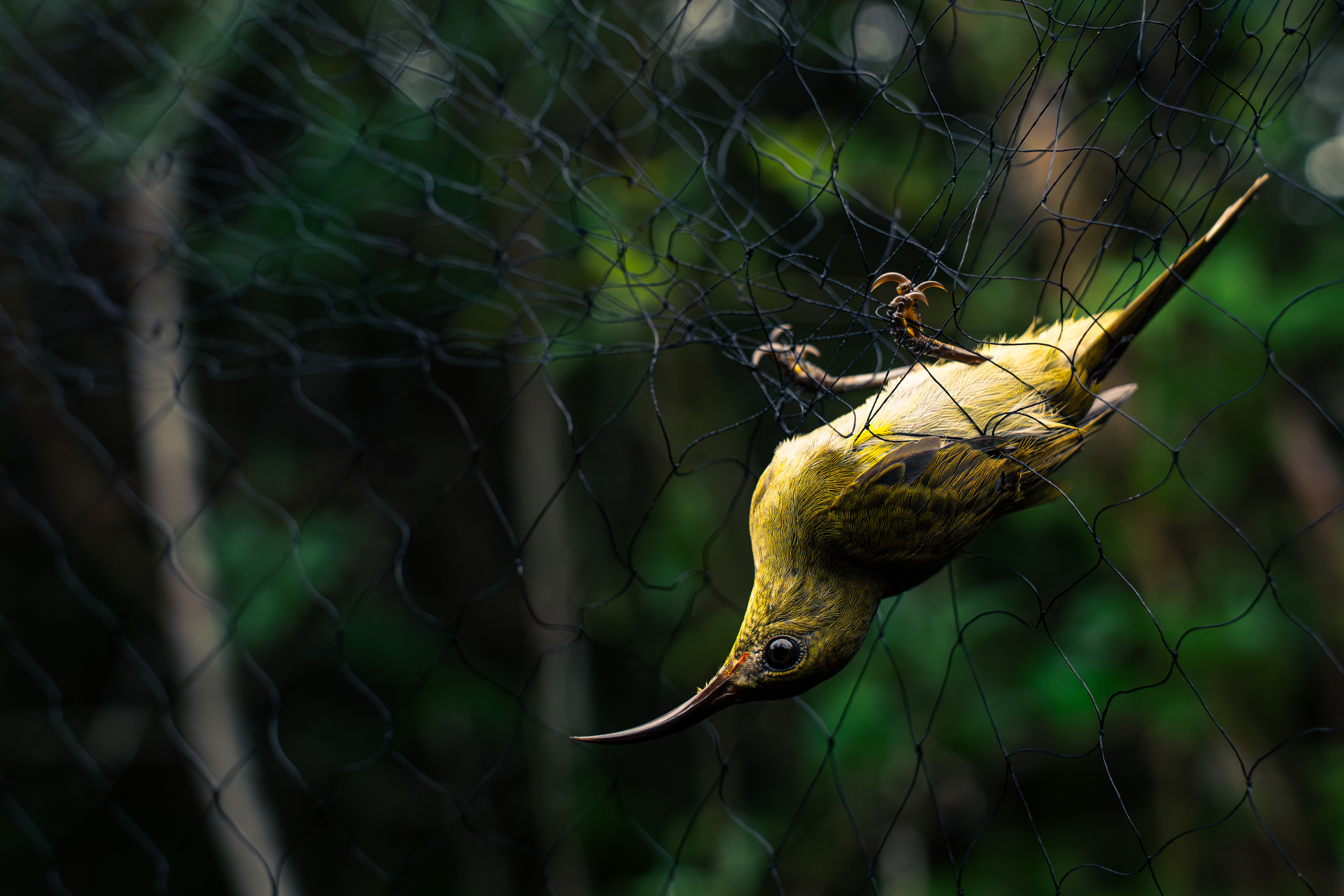
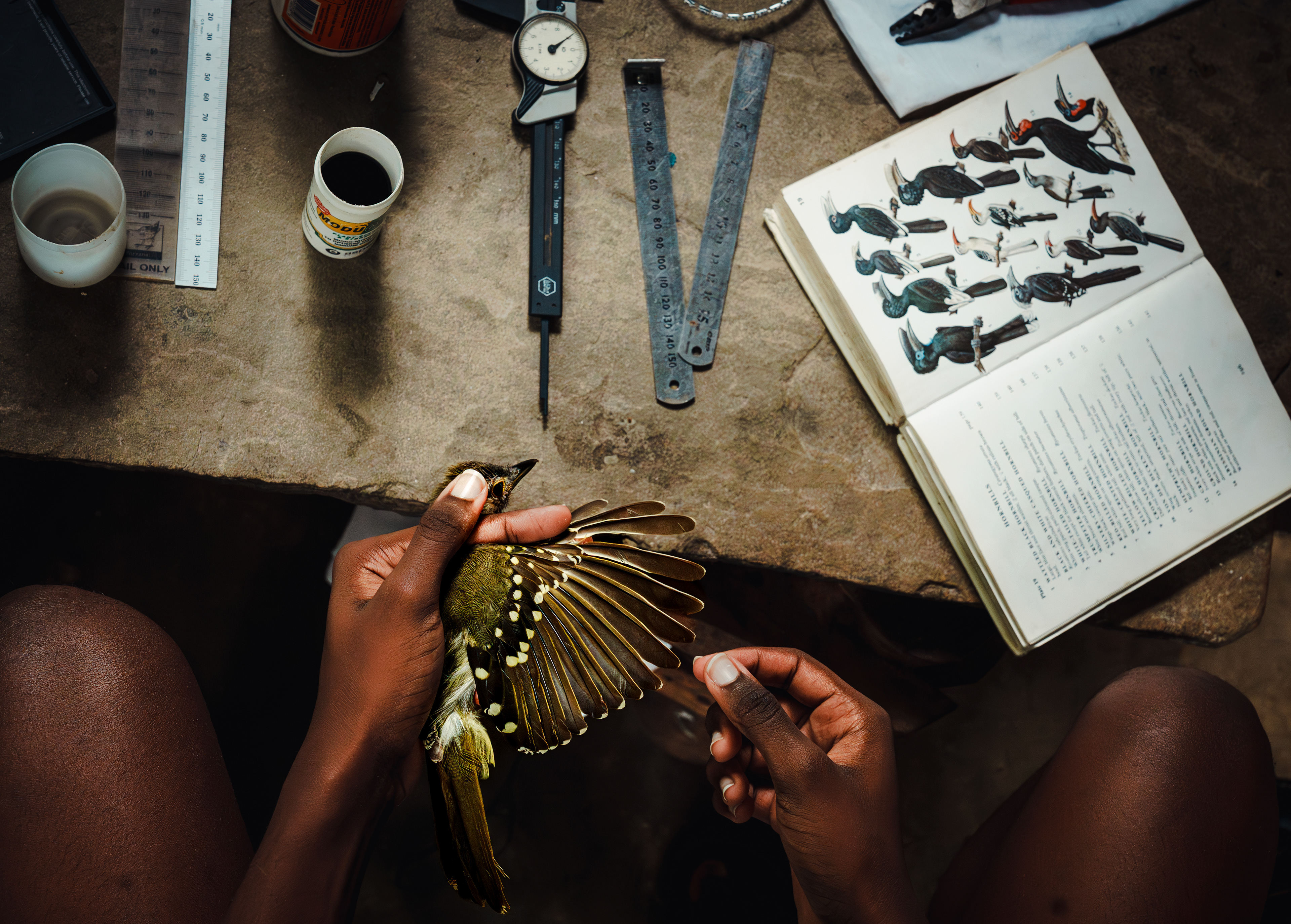
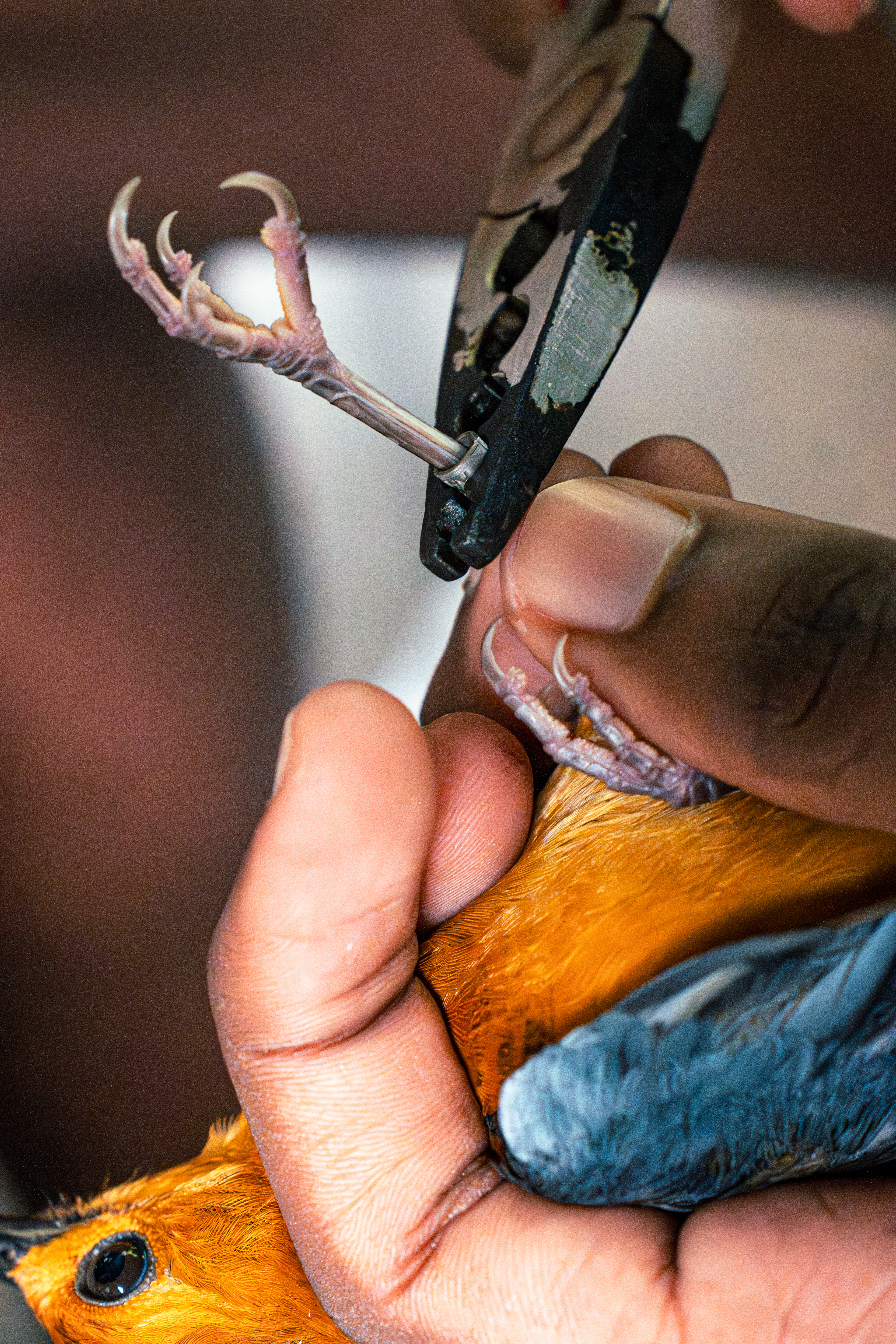
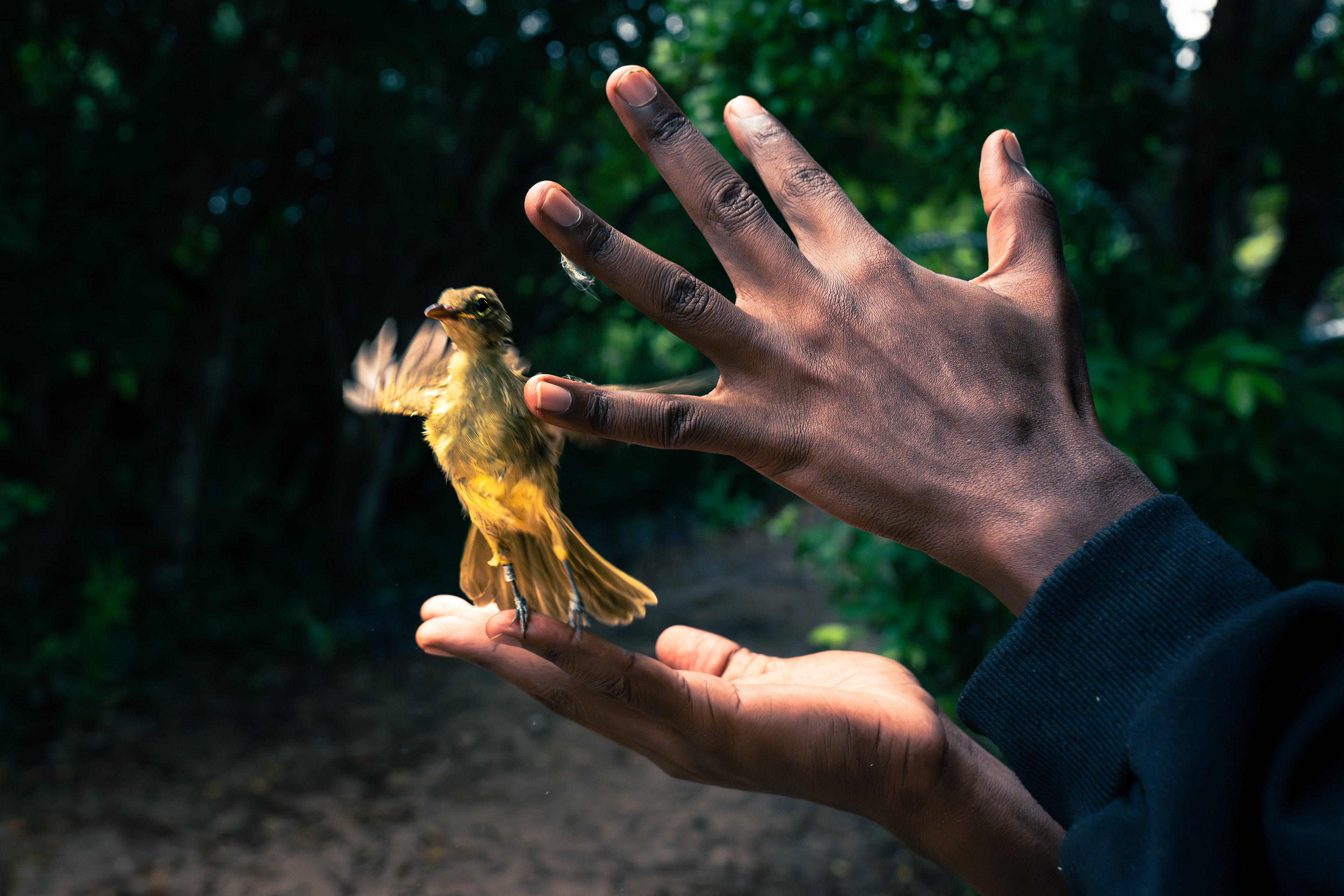
Among the morning's captures was an olive sunbird, a species commonly caught during ringing sessions. Away from the foliage where it is so easily overlooked, its soft olive-green plumage was easier to appreciate. For a brief moment, it offered a closer look than would normally be possible before being released and returning to the vegetation.
The ringing process took only a few minutes for each bird before it was released, for some even less if it had been ringed previously and re-caught. Collecting and recording were repeated four more times, with members of the group maintaining the same enthusiasm as on the first round. As the heat of the morning began to build, it became clear that, like me, the birds preferred to retreat into the shade or patches of dappled sunlight. Fewer birds were recorded with each pass, until the nets hung almost undisturbed, swaying gently.
By then, the rush of the early start had faded, replaced by the slower rhythm of a day settling in along the coast.
By then, the rush of the early start had faded, replaced by the slower rhythm of a day settling in along the coast.